
This webinar is online on Zoom
Book your place
To book a place please email events@imroc.org with “Recovery Colleges for younger people” in the subject line.
Join us for an inspiring and practical webinar exploring two innovative approaches within the global Discovery College movement, based on our recent publications.
We’ll hear from the team behind Discovery College West as they share the story of how the College has evolved into what it is today, and how its vision and direction have been shaped through co-production. They will reflect on the different phases of growth, the key milestones along the way, and the challenges and learning that have informed its development. They will also explore the impact the College is having within communities and provide an overview of the EIRE Study and its role in strengthening the evidence base for Recovery Education.
We’ll also be joined by Lucy and Rachel from Melbourne who will share the story of Extremely Human, a podcast that grew out of Discovery College and a simple question: how can we keep learning together beyond the classroom?
Based on Recovery College principles, the Extremely Human podcast centres shared learning, curiosity and hope. It was designed to be flexible and easy to access, something you can listen to on a walk, on the train or in your own space, while still exploring big human experiences like psychosis, grief, addiction and joy.
They will talk about how the podcast was created, play selected highlights, and reflect on what they have learned along the way. They will also share audience feedback and the impact the podcast has had so far.
This session is about creating open, human conversations and showing how learning can happen in different ways.
What to Expect:
We will begin with:
A brief welcome and introduction by Jane, Imroc’s Recovery College Programme Lead
A presentation from West Ireland team on:
How their Discovery College was established
Highlights and community impacts
Key learning and challenges
EIRE study- the development of a Recovery Education measurement tool
A presentation from Lucy and Rachel in Melbourne on:
The origins and purpose of the Extremely Human podcast
How podcasting can extend Discovery College values beyond the classroom
Selected audio clips from the podcast
Audience feedback
A facilitated Q&A and discussion following the presentations
Who is the webinar for?
This webinar is ideal for:
Mental health professionals and service leaders
Peer workers and lived experience practitioners
Educators and community development practitioners
Policy-makers and commissioners
Anyone interested in Recovery Colleges/Discovery Colleges
Individuals curious about innovative, co-produced approaches to learning and wellbeing
Benefits of attending:
Participants will:
Gain practical insight into establishing and growing a Discovery College
Learn about co-production in action across different cultural contexts
Explore how creative media (such as podcasting) can amplify lived experience
Be inspired by real-world examples of innovation and partnership
Connect with others working to reimagine mental health education and community learning
Take away ideas that can be adapted within their own organisations or communities
Speakers / Facilitators
Jane Rennison
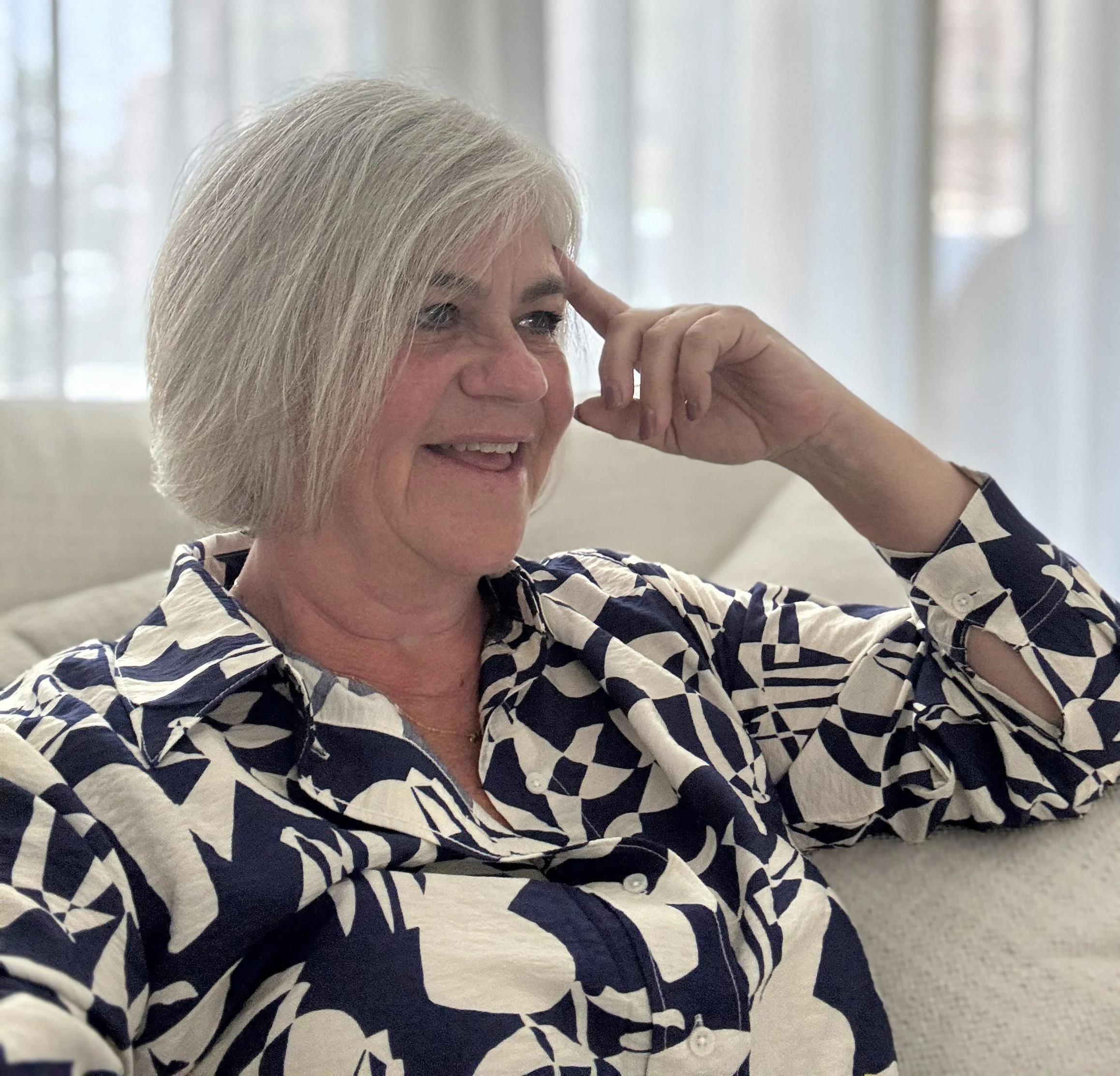
Jane is the Imroc Recovery College Programme Lead and has worked with ImROC colleagues for around 15 years, which has afforded many opportunities to not only introduce and develop recovery focused practice across large and complex systems nationally and internationally but also to learn about creative solutions, endless opportunities and developments along the way. Jane has worked as an Imroc Consultant and Trainer facilitating peer support training and supporting the development, delivery and review of colleges around the world.
As well as working with Imroc, Jane continues to spend periods of time volunteering in the UAE having spent time there driving forward recovery practice in an inpatient setting; which has led to a keen interest in understanding mental health, stigma and recovery in the Middle East.
Lucy Mahony
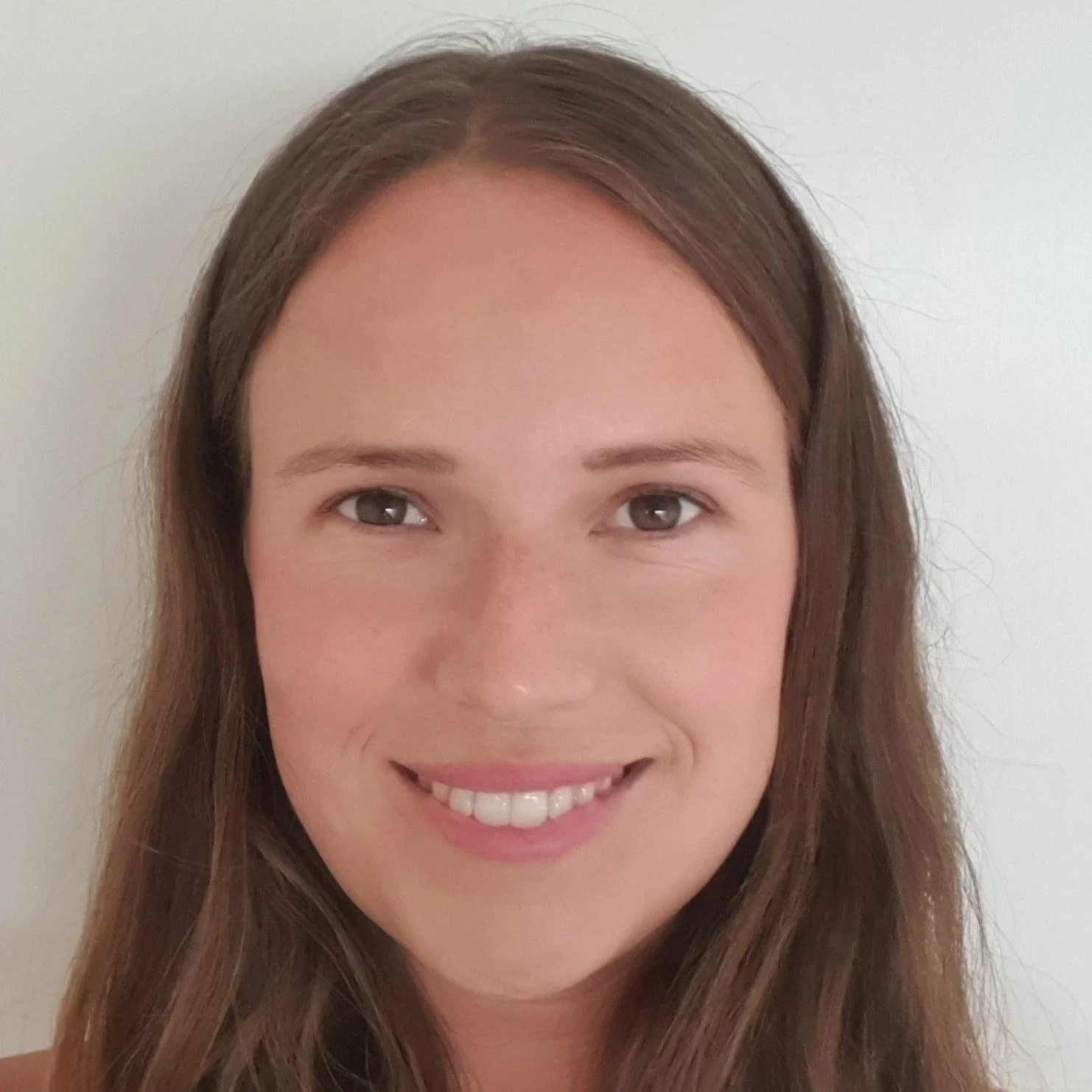
Lucy is a Lived Experience Specialist at discovery college (South East Melbourne), where she draws on her own experiences to create fun, authentic learning spaces. She is the producer and co-host of Extremely Human and believes that the magic of storytelling can help move us toward a kinder, more compassionate world. Lucy is a big fan of fun, meditation, and exploring new ice cream flavours.
Rachel Barbara-May
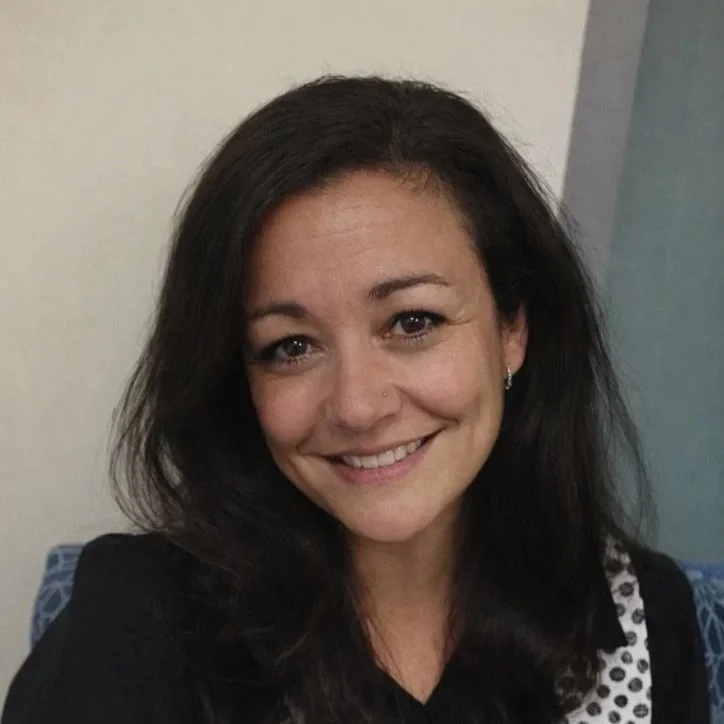
Rachel is a social work practitioner with a deep commitment to collaborative, non-pathologising approaches in mental health care. She is also a trainer and supervisor in Open Dialogue and Dialogical Practices, drawing on more than 20 years of experience in public mental health services. Her practice has focused on supporting children, young people, and families in areas of child and family therapy, single-session work, eating disorders, and first-episode psychosis. Rachel co-hosts the Extremely Human podcast from Discovery College, where people can share stories about big life experiences, such as psychosis, grief, and addiction, in a grounded and respectful space. She is committed to offering non-pathologising responses to people experiencing distress in ways that honour individuals and their support networks.
Chloe Costello Carty

I am the founder and Peer Recovery Educator of Ireland’s first Discovery College, Discovery College West. I completed my undergraduate degree in Psychology in 2014 and a master’s in health psychology in 2015, before working as an Assistant Psychologist in a Primary Care mental health service. My journey into Recovery Education began in 2017 when I joined REGARI Recovery College as a volunteer Co-Producer and Co-Facilitator. Through this experience, I saw first-hand the impact that education, lived experience, and shared learning can have in supporting recovery. This passion led me to develop The Discovery College, Ireland’s first Recovery Education initiative designed specifically for young people. I strongly believe that giving young people access to knowledge, skills, and open conversations around mental health can play a vital role in prevention, early intervention, and recovery.
Alongside my role in Discovery College West, I am currently leading the EIRE Study, a national research project focused on understanding and evidencing the impact of Recovery Education for young people in Ireland. Working alongside Co-Producers, colleagues, and young people every day is what drives my passion for this work, and I am constantly inspired by the impact Recovery Education can have in people’s lives.
Franchesca Christilles
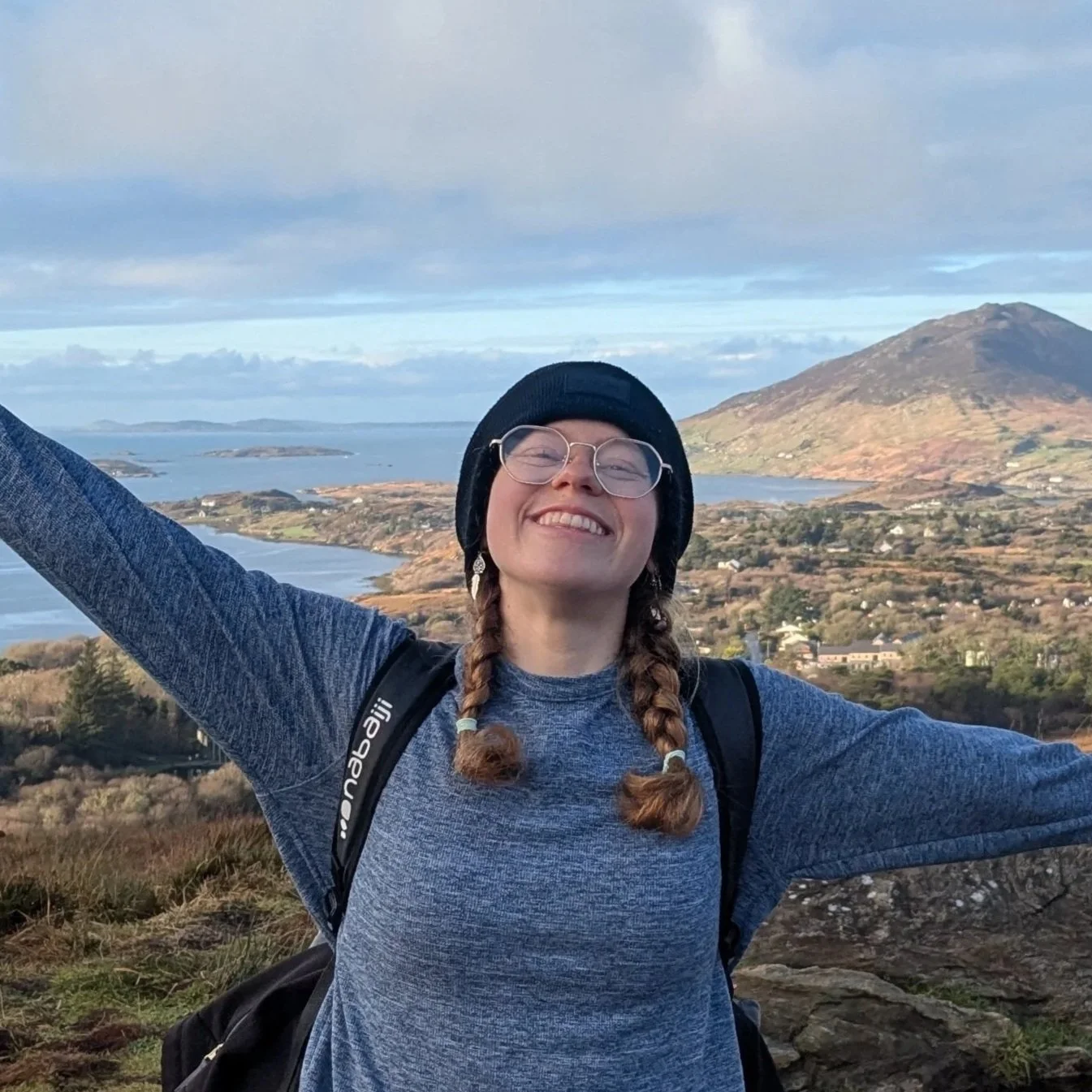
My name is Chekka and I am a Recovery Education Facilitator at Discovery College West. Although not originally from Ireland, I have made this place home through community, exploration and reflection. I received BAs in Politics and Peace & Justice Studies and went on to attend the University of Galway for a MA in Public Advocacy and Activism. Before receiving my degree, I worked with young people experiencing homelessness in supported accommodation. Prior to that I was working in education for young people around sexual violence and consent culture. I love working with young people and exploring difficult or complex topics through engaging facilitation, education and programs. I believe in the power of lived experience and its ability to grow understanding, compassion and appreciation for those around and the wider world we live in. I am so fortunate to be able to work in an organization that uplifts lived experiences and uses the potential of education as a means of early intervention and care. I am proud to contribute to the Discovery College's mission for both young people and the wider community.
Emma Watson - Facilitator

Emma Watson is the programme lead at Imroc for Research, Evaluation, Publications and Development, and, until recently, was the Peer Support Lead at Nottinghamshire Healthcare NHS Foundation Trust. As Peer Support Lead, she has led the strategic introduction of peer support workers into a range of clinical services, establishing training and supervision processes to support this development. Prior to this, Emma worked in a number of peer roles, including peer support worker, peer supervisor, peer trainer and peer researcher. Emma was among the first peer workers to be employed in Nottingham NHS Trust in 2010; an experience which transformed her own recovery, as well as her understanding of the power of lived experience.
As a programme lead at Imroc, Emma aspires to centre lived experience perspectives in research and publications, and offer accessible, creative ways for knowledge to be developed and shared. She is leading on the development of an MSc in Lived Experience Leadership as well as overseeing Imroc’s research and evaluation projects. Emma's commitment to advancing peer support is further demonstrated through her extensive research publications. She has authored numerous articles, as well as co-authoring the book "Peer Support in Mental Health," which provides an in-depth exploration of peer support concepts and practices. Her PhD explored peer support in the context of an NHS service, especially how this context changes or constrains peer support, and how individual peer workers resist this process.