
31.Co-production Across Borders: History, Practices, and Directions for Building Partnerships in Mental Health
Holly Harris, Ronan Benson, Rowen Shier, Mark Dalgarno, Kirsty Giles, Elaine Hurll, Dreena Collins, Jordana Rovet, Claire Margaret, & Sophie Soklaridis
Acknowledgements: We would like to gratefully acknowledge the contributions of the Collaborative Learning College Research Subcommittee at the Centre for Addiction and Mental Health and Emma Watson.
Introduction
Co-production has emerged as a social movement that aims to change how mental health systems and communities work together (Imroc, 2024a; Oliver et al., 2019; Soklaridis et al., 2024). It brings together people with lived/living experience of mental health challenges and/or mental health system encounters (PWLE), people with professional expertise (i.e. clinical, academic, etc.) and those with multiple perspectives as equal partners to develop and implement mental health education, programs/policy, and research (Brandsen et al., 2018; Faulkner & Thompson, 2023). Through mobilising knowledge from diverse vantage points, there is growing evidence that co-production strengthens the impact and quality of mental health initiatives by ensuring they are accessible, relevant, and impactful (Mental Health Taskforce, 2016; Soklaridis et al., 2024; Imroc, 2024a; Oliver et al., 2019). Specifically, a recent scoping review of co-production in mental health suggests that it can enhance well-being, social connectedness, empowerment, and inclusion for people using the resulting services (Norton, 2025). Beyond service delivery, within mental health research, evidence suggests that meaningful engagement of PWLE positively influences research quality, the research environment, researchers, participants, and PWLE themselves (Sheikhan et al., 2023). Additionally, this approach shifts the role of PWLE from passive recipients to proactive partners and collaborators, recognising that PWLE's voices are uniquely well-positioned to shape the systems that impact them most (Imroc, 2024a). Co-production flips the traditional script by asking PWLE 'what sort of life do you want?' rather than asking professionals 'what services do you think PWLE need?' (Boyle et al., 2010). It challenges stigma and sanism, fosters equity, and creates the conditions for re-imagining a future in which diverse perspectives that have been overlooked and untapped, are identified and valued (Mental Health Taskforce, 2016; Imroc, 2024a).
For these benefits to be realised, the literature outlines multiple principles for advancing co-production. These include prioritising accessibility, engaging in reciprocity, practicing multi-directional learning, using a person-centred approach, and engaging in inclusive and distributive decision-making and leadership (Bussu & Galanti, 2018; Slay & Stephens, 2013; Mind, n.d.). These principles are frequently underpinned by key values such power sharing, equity, diversity, and inclusion (Soklaridis et al., 2024). Notably, the application of these principles and values are context and group-specific and thus their implementation should itself be co-produced.
As momentum around co-production builds and recognition of its value grows, it is important to pause and reflect on the history of co-production, current understandings, stories of success, challenges, and future directions.
Our Aims
This paper was developed by a team with diverse lived and learned expertise, including researchers, peer supporters, leaders, and PWLE, with many members bridging multiple perspectives. The paper aims to explore the nuances of co-production in mental health education, commissioning, and research. In line with co-production principles, the co-leads [HH and RB], selected by Imroc, worked to ensure the paper itself was co-produced. Rather than using traditional hierarchical leadership models, we [HH and RB] employed the practice of inclusive leadership and flattened hierarchies. We acted as facilitators, maintained administrative continuity, developed agendas, prepared minutes, and provided additional support to team members as needed. Producing this paper required practical experience with co-production across education, programming/commissioning, and research. One of our co-leads (HH), with expertise in co-production in research, invited collaborators she had previously worked with (SS, JR, RS), while our other co-lead (RB), whose expertise lies in co-production in education, invited collaborators from his prior work (KG, MD, DC, CM). Imroc was consulted to identify a team member with expertise in commissioning-related co-production (EH).
Once our team was established, we convened virtually to co-produce a comfort/let's-be agreement outlining mutual expectations to guide collaboration, as well as terms of reference (ToR) detailing the project's purpose, objectives, membership, meeting structure, honoraria processes, and decision-making structures. To support ongoing reflexive practice, we agreed to conduct a recorded debrief at the end of every meeting, guided by three points of reflection: one thing we've done well, one thing we can improve, and recommendations for next steps. We also reviewed a draft work plan prepared by the co-leads and applied a "keep, chunk, add, change" approach to revise it based on members' perspectives. At the next meeting, we co-produced an outline for the briefing paper using Padlet, a collaborative virtual bulletin board. We then self-selected writing assignments and worked asynchronously in smaller groups to draft the various sections over the next five months. This was then followed by iterative cycles of collaborative review and refinement. While this process took longer than anticipated due to leaves and competing priorities, we remained committed to prioritising people over products, a clear example of the importance of flexible timelines in co-production. In many ways, the way we worked together became an enactment of the very ideas we sought to explore.
In the following sections, we outline the evolution of co-production and share UK and Canadian case examples from mental health education, commissioning, and research that illustrate facilitators, barriers, and nuances. This briefing paper concludes with recommendations for advancing this practice in order to build more equitable and inclusive futures in mental health. We have included a brief glossary as an appendix to this paper, to support the understanding of newer, or more academic terms (Appendix B).
The History of Co-production
Given co-production's alignment with the personal recovery phenomenon (Leamy et al., 2011), this approach is a natural fit within the context of mental health. However, in actuality co-production emerged within the context of broader social activism that challenged institutional authority in the late 1960s and 1970s (Imroc, 2024a). In 1969, Sherry Arnstein developed the "Ladder of Participation" (see figure 1 for an adapted version inspired by Arnstein, 1969 and Peoplehub, 2025), illustrating an analysis of power dynamics between citizens and those in authority, and highlighting the difference between true partnership and tokenism (Arnstein, 1969). This laid the groundwork for co-production, with the term being coined in the 1970s through Ostrom's work on community engagement in policing in Chicago, reflecting the idea that "police need the community as much as the community needs the police." (Ostrom, 1996; Stephens et al., 2008).
The concept was later adopted in the United Kingdom by Coote and colleagues at the Institute for Public Policy Research and the King's Fund to demonstrate that doctors need patients as much as patients need doctors, and that when this relationship is overlooked, both sides fail (Stephens et al., 2008). In the 1990s, civil rights lawyer, Cahn, further developed the principle of co-production in response to cuts to public services, demonstrating the effectiveness of families and communities working together to strengthen them (Cahn, 2000; Stephens et al., 2008).
At the same time, but developing through different activist traditions, peer-led and grassroots movements were also changing how people got involved in shaping mental health and social care. Specifically, disability activism in the 1960s and 1970s and mental health consumer/survivor movements, challenged traditional hierarchies by arguing that lived experiences are legitimate forms of expertise (Chamberlin, 2005; Ocloo & Matthews, 2016). These movements laid the groundwork for co-production by promoting the idea that the involvement of those most affected is key to effective systems.
Since then, co-production has gained traction internationally, and its application in countries such as the UK, Ireland, Australia, Japan, and Canada has spanned family and youth services, housing initiatives, health and disability organisations, community justice programs, and mutual aid networks (Boyle, Slay, & Stephens, 2010). The scale of these initiatives ranges from local organisations to those with national and international reach.
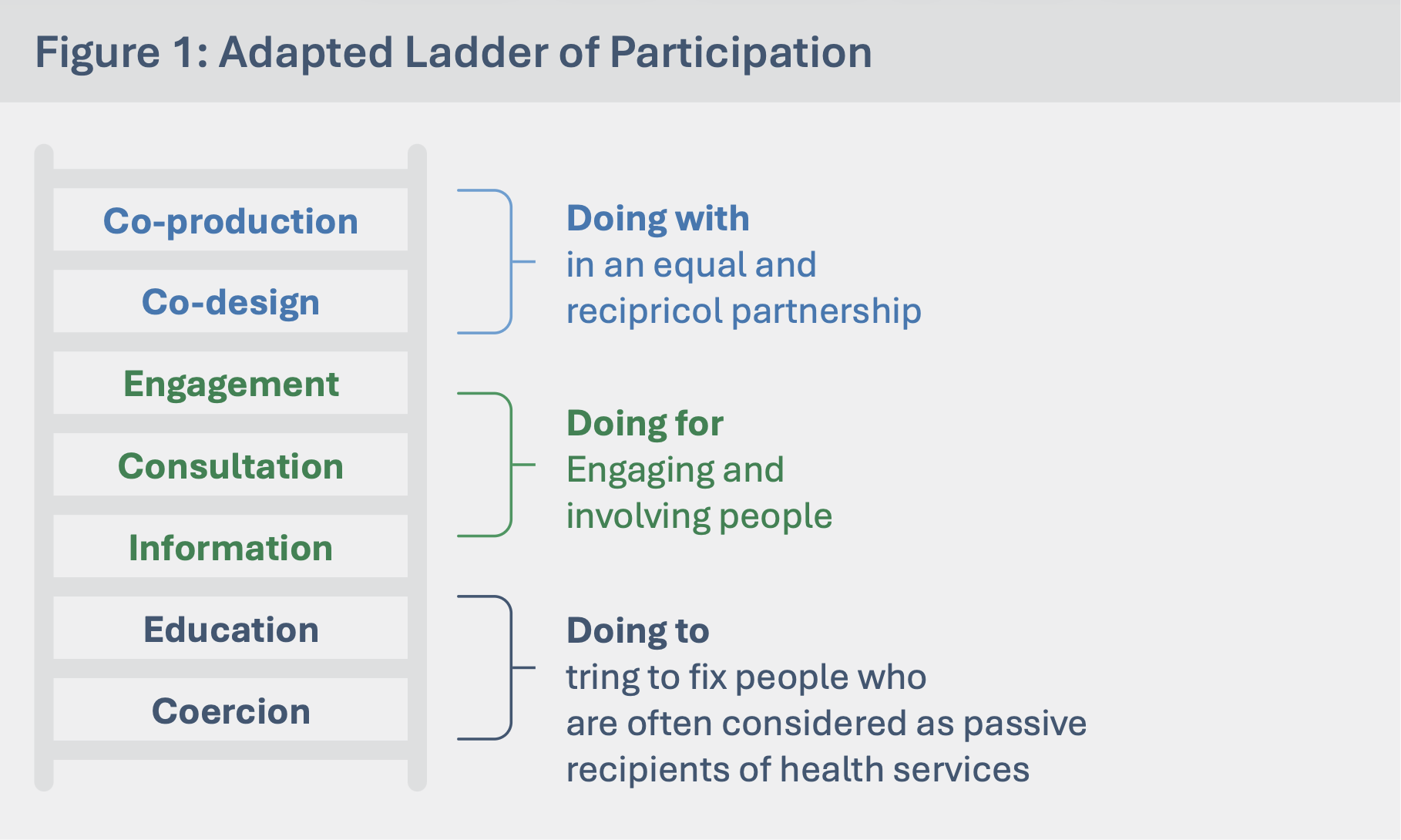
Figure 1: Adapted Ladder of Participation
Current State in Mental Health
Co-production is increasingly showing up in multiple areas of mental health, including education, commissioning, and research. Its rise in popularity is a result of several factors:
a recognition of its positive impact on the quality, relevance, and impact of initiatives;
an awareness of the positive effects on those involved in the process;
an understanding of the approach as an ethical imperative;
external mandates from funders and organisations (Oliver et al., 2019).
While this rise is promising, there are certain risks associated with the term becoming mainstream.
Dispelling Myths and Misconceptions
The buzzwordification of co-production risks masking whether its principles are truly being followed. This occurs through tokenism and "co-washing," where lower levels of engagement are 'rebranded' as co-production by those leading the process without actually extending shared decision-making power to PWLE (Future of London, 2023). This reinforces harmful power dynamics that can marginalise lived experience/expertise (LE)(Turnhout et al., 2020). Moreover, using the term "co-production" to refer to lower levels of engagement threatens trust and slows wider societal transformation toward epistemic equity (i.e., equal respect for different ways of knowing) (Fricker, 2007; Greater London Authority & The Social Innovation Partnership, 2023). In response to concerns about co-washing, there is growing interest in how to evaluate co-production processes to support fidelity, quality, and impact (McLean et al., 2023; Hawke et al., 2025; Khatwa et al., 2026). It is also useful to clarify common misconceptions about co-production, as misunderstandings can undermine its uptake, authenticity, effectiveness, and intended outcomes.
Myth 1 | It's too hard and it takes too long
For example, people may be hesitant to pursue co-production due to a common idea that, in comparison to "traditional" ways of working, it is too complicated and time-consuming.
While co-production does involve an initial time investment in building trust, co-creating processes, and developing shared understandings, engaging in this groundwork and prioritising people over products does not come at the expense of overall productivity (Soklaridis et al., 2024). In fact, initial slowness may generate momentum and mitigate challenges that often derail collaborative projects, including difficulty reaching consensus, interpersonal conflicts, and disengagement. This element of the co-production process requires the support of funders and organisations to allocate upfront time and flexibility, given the dynamic pace of co-production. There is an expectation to 'get things done as soon as possible' in the culture of mental health spaces, and little structural support (e.g. processes, funding, etc.) exists for the values underpinning co-production. Because of this, co-production currently requires significant advocacy and associated emotional labour (New Economics Foundation, 2008), making co-production harder work, despite being possible and worth doing.
Myth 2 | Power imbalances can be fully erased
There is also a common perception that "true" co-production can only occur when power imbalances between team members are completely eliminated.
Mental health systems are built upon power dynamics, and the assumption that these can be eliminated can actually undermine equitable collaborations (Soklaridis et al., 2024; Groot et al., 2022). This is not to suggest that such hierarchies should be left unexamined. Instead, co-production involves actively engaging with power relations both as individuals and as a team. In practice, this means transparently and explicitly discussing how power shapes working dynamics. Through this active engagement, teams can reduce the influence of power imbalances on relationships, knowledge generation, and resulting products, while simultaneously challenging the systemic hierarchies we inherit.
Myth 3 | PWLE need to be "brought up to speed"
Finally, there is often an assumption that co-production requires a one way process where PWLE must learn professional knowledge to effectively participate (Harris et al., 2023a).
This view fails to recognise that authentic co-production does not require PWLE to conform to fit into professional mental health spaces. Rather, these spaces must transform through the integration of LE (Sinclair et al., 2023). Toward this end, co-production requires an openness to multi-directional learning in which those with lived and/or learned expertise teach and learn from each other to foster mutual capacity building (Soklaridis et al., 2024). This challenges wide-spread beliefs about what is considered a "legitimate" form of knowledge, and recognises the need for those in traditional positions of power to engage in capacity building, to effectively and meaningfully integrate the views of PWLE where they have historically and systematically been excluded (Fricker, 2007; Norton & Sliep, 2018).
Below, we engage with some of the nuances of co-production in practice through case studies of co-production across mental health education, commissioning, and research. Through sharing these stories, we aim to illustrate how the practice of co-production is a political act of system transformation, challenging hierarchies and seeking to build a more equitable and inclusive future in which PWLE are empowered as equal partners in the systems that impact them most.
Co-production in Mental Health Education
In the context of mental health education, co-production involves PWLE and those with professional expertise (i.e. clinical and academic), co-producing content and teaching as equal partners (Soklaridis et al., 2024). Co-produced education has the potential to interrupt dominant, sanist, and coercive ideas held by traditional biomedical mental health systems by challenging the exclusion of LE in educational spaces (Foucault, 2006; Gaventa; 2003). Co-production also builds educational initiatives on real-world insights on mental health, systems navigation, and compassionate, person-centred, and recovery-oriented approaches (Chu et al., 2016; Cowling et al., 2006, as cited in Harris et al., 2023a). This provides learners with unique access to diverse perspectives on mental health and wellbeing through the lenses of clinical/academic and LE (Imroc, 2024c). Given these benefits, co-production in mental health education has steadily gained interest in both service user–facing initiatives and professional training.
While PWLE have been involved in the mental health professions education (MeHPE) for decades (Felton & Stickley, 2004), persistent power imbalances continue to privilege the expertise of professionals over that of PWLE and impede the potential of co-production (Happell et al., 2021). Specifically, Rose and Kalathil (2019), reflecting on power imbalances in a critique of co-production, noted that in practice, PWLE's involvement has largely been symbolic and rests at the level of consultation (Arnstein, 1969), with individuals having minimal influence over setting priorities or making key decisions. For example, most initiatives are led by faculty who leverage privileged forms of expertise (i.e. professional and/or academic) (Harris et al., 2023a). Organisations often lack processes and procedures for faculty members to engage PWLE in shaping how they participate which limits them to a fixed role within the existing curriculum. Consistently, LE involvement in MeHPE has been critiqued as being tokenistic, as engagement often fails to provide authentic opportunities to share responsibilities (Kalocsai et al., 2024).
Additionally, there have been concerns that engagement processes frequently fail to recognise the impact of reliving trauma for the benefit of others, often with little or no financial compensation or emotional support (Beresford, 2019; LeBlanc-Omstead & Kinsella, 2023; McGeown et al., 2023). Within MeHPE, PWLE are often underemployed or engaged through volunteer or underpaid arrangements, which further reinforces power imbalances, given those with more professional expertise typically receive more stable employment opportunities (Higgins et al., 2011; Fraser et al., 2017; McDaid, 2006, as cited in Harris et al., 2023a). Expectations of 'professional acceptability' can act as a barrier to co-production , as those who are perceived as less familiar with context-specific terminology, roles, procedures, and policies are often excluded (McDaid, 2006 as cited in Harris et al., 2023a). Consequently, only PWLE deemed capable of fitting into traditional academic cultures are given space, limiting the transformative potential of engagement and furthering injustices.
In response to these challenges, it is necessary to develop support at the individual, departmental, organisational, and systemic levels to facilitate co-production with PWLE in MeHPE. At the individual level, critical reflexivity, which means noticing how our experiences and backgrounds shape the way we think, act, and relate, has been proposed as a framework to support educators and learners in fostering epistemic equity (Fricker, 2007; Harris et al., 2023a; Norton & Sliep, 2018). Critical reflexivity can help those of us involved in co-production to challenge the taken-for-granted assumptions within mental health systems and choose actions that align with our values. At the departmental level, there have been calls to incorporate LE throughout educational and research processes, including curriculum co-creation, teaching, decision-making, and evaluation (Costa, 2017), supported through dedicated budget and integration into strategic plans. At the organisational level, scaffolding is needed to enable inclusive recruitment, training, and fair compensation to ensure that LE participation is authentic, ethical, and sustainable. Finally, at the systemic level, there is a need for increased funding opportunities that support and encourage the meaningful engagement of PWLE, alongside opportunities for decision-makers to mandate such engagement within psychiatric education.
Although LE engagement in education continues to be predominantly framed around the training of mental health professionals, education spaces co-produced by PWLE, professionals, and those bridging multiple forms of expertise have gained traction in supporting personal recovery journeys. A notable example of this is the emergence of Recovery Colleges (RCs). In what follows, we present a case study of a co-produced project within a South London RC context, developed in collaboration with a peer trainer [CM].
Mental Health Education Case Study: Claire Margaret, Peer Recovery Trainer, South London and Maudsley NHS Foundation Trust, England
Background
RCs emerged in the United Kingdom in 2009 as a unique environment that reflects the intent of mental health services in many countries to improve LE and carer involvement, and drive recovery-focused organisational change (Perkins et al., 2012). These programmes are low-barrier and leverage peer support principles to empower people in pursuing their self-identified wellness goals through education. Consistent with this, evidence suggests RC programs improve health and social outcomes while reducing reliance on services, with an estimated £8.40 return for every £1 invested (Slade, 2025). These outcomes are widely attributed to the authentic co-production at the core of the model (Imroc, 2024b).
Co-production is one of six defining features of the model (Perkins et al., 2012), shaping how RCs are designed and delivered. Broadly speaking, co-production in RCs involves PWLE working collaboratively as equal partners with health professionals (or other subject experts) to plan, administer, deliver, and evaluate mental health recovery and wellbeing education. People with diverse forms of lived and learned expertise work collaboratively in relationships grounded in reciprocity, collaboration, mutual respect, and power sharing to enact change (Slay & Stephens, 2013; Bester et al., 2022). Despite sharing common principles, RCs approach co-production in various ways. Some offer dedicated co-production courses (in person or virtually), while others establish co-production committees or build in diverse perspectives by recruiting a broad range of program staff. Co-production can also take place through town halls or other community events, or unfold more organically when community members pitch ideas that are then developed collaboratively.
A specific example of co-production in RCs can be seen in the design and delivery of workshops on eating disorders as commissioned by the South London Partnership (SLP) in 2023. This work aimed to build on existing co-produced workshops offered within SLaM Recovery College. It commenced through extensive discussions with PWLE, nurses, psychologists, and a dietician, who reflected on the results of consultations across the SLP that identified gaps in eating disorder supports and highlighted the need to develop recovery-oriented educational offerings in this area. As a peer recovery trainer from South London and Maudsley (SLaM) NHS Foundation Trust Recovery College , I [CM] was commissioned to facilitate the co-production of these workshops alongside a specialist eating disorders dietician, building on previous co-produced recovery education they already offered at SLaM RC. We aimed to produce workshops for use across the three National Health Service (NHS) Trusts within the South London Partnership which consists of South West London and St George's (SWLSTG), SLaM, and Oxleas NHS Foundation Trusts. These workshops were designed to provide education as support, not only for individuals experiencing eating disorders but also for carers, families, and mental health professionals. There were four distinct stages to the co-production process.
1.Laying the Groundwork
At SLaM RC, both my co-facilitator (the dietitian) and I had attended the "Working Together: Co-production in Action" and "Facilitation Skills" training workshops. These sessions were important in helping us establish a shared baseline of skills, knowledge, and approaches to co-production. They supported the development of a common understanding of how to share power, build trust, and work collaboratively across different perspectives and experiences. They also helped us think more intentionally about facilitation practice and how power dynamics shape co-produced educational spaces. In addition to this, I had been facilitating within RCs for a longer period, and in this context I took on an informal mentorship role with my co-facilitator. This involved supporting their development in facilitating RC courses and offering guidance grounded in LE and facilitation practice. Over time, this contributed to building co-production capacity, extending learning beyond formal training into ongoing collaborative work.
It is also important to note that the dietitian and I already had a pre-existing working relationship and had facilitated together before this piece of work. This meant there was already a foundation of trust, comfort, and shared understanding between us. This relational history created the conditions for more fluid and meaningful co-production, supporting a stronger sense of community in practice and enabling more effective collaboration throughout the process.
2.Coming Together
In the spirit of co-production, two focus groups were co-facilitated by the dietitian and I to gather information from PWLE to inform the creation of the RC eating disorder workshops. These were open to anyone currently struggling with an eating disorder or with LE of recovery, and were designed to understand the needs of those who use(d) the services. Care was taken to ensure these groups were inclusive and representative, with participants reflecting a diverse range of backgrounds in terms of age, gender, ethnicity, and LE. There were a number of themes from the focus groups that were identified as important to cover in the workshop including how to put less blame on oneself, feel less alone, knowing where to find support, how to manage feelings related to eating disorders, understanding the circumstances that may have contributed to developing an eating disorder, and knowing that recovery is possible.
3.Iterative Development and Engagement
Significant contributions were also made by the Eating Disorders Service User and Carer Advisory Group (SUCAG) who not only provided insight about the experience of living with an eating disorder and being a mental health service user, but also had oversight of the workshops and their development. As co-production facilitators, we attended meetings, both in person and online, to gather ongoing feedback and incorporate their perspectives with those that surfaced in the focus groups. In addition, we attended the eating disorders service team's "Lunch and Learn" sessions: regular events designed to inform and educate staff where they highlighted the role of SLaM RC within the Trust and wider SLP and promoted awareness of the new workshops.
The dietician and I met weekly to collate feedback from the focus groups and SUCAG meetings, review emerging themes, and shape the workshop content. These meetings occurred concurrently with the SUCAG meetings, enabling emerging insights to be discussed and incorporated iteratively into workshop development.
The themes from the iterative co-production process that informed these workshops included the importance of exploring the realities of having an eating disorder, discussing how to talk to someone with an eating disorder, informing people of what are unhelpful comments, how to use a 'no shame no blame' approach, and sharing recovery stories to support recovery journeys. There was also practical advice shared which included education around how to navigate social media, how to prevent relapse, navigating resources, and signposting to services. Participants also noted the importance of avoiding discussions around statistics, body mass index, and challenging the idea that all good changes happen in therapy (as the journey continues after treatment). It was also mentioned that, in services, there can be hierarchies, and that it is important to talk about different conditions with equal footing. There were mixed views around workshops being specific to each eating disorder diagnosis or more general, with pros and cons to both. It was suggested that there be an initial general workshop followed by more specialist ones, as people with different eating diagnoses can still benefit from each other.
Beyond the content of the workshops, focus groups and SUCAG members provided meaningful insight into how to promote them. They suggested the website and advertising needed to be clear. Several people also mentioned the importance of advertising the workshops as a safe and confidential space, surrounded by others with common goals.
There were also key insights shared around increasing accessibility and inclusivity. For example, we noted that the workshops needed to be well timed around meal/snack times, be mindful of working hours, use a mixture of online and face to face delivery, and be structured in such a way that people could pop in/out of the ones they find interesting so each workshop in the course can stand alone. It was also noted that mixing groups of people using services, carers, and staff may be beneficial to see different viewpoints and experiences, although it was stressed that bringing one's own carer to the workshop may create issues around boundaries and disclosure.
Through the iterative process of development, we conducted, and leveraging both lived and learned expertise, it quickly became clear that a single workshop would not be sufficient to cover the breadth of needs identified. Instead, we developed a two-part structure: an introductory workshop providing foundational understanding of eating disorders, followed by a more in-depth workshop focusing on the recovery journey and the challenges faced along the way.
4.Implementation
The workshops were facilitated and achieved strong outcomes overall, with high attendance and very positive student feedback. As a result, the sessions are now embedded in the SLaM Recovery College timetable on a termly basis and are co-facilitated by members of the project team, supporting their ongoing delivery.
The program is evaluated on an ongoing basis, with a focus on continuous quality improvement. At first, this involved the SUCAG attending the initial sessions as students, offering further reflections that informed additional refinements. Additionally, program evaluations are circulated to students after every workshop and we invite students to share what works well, what can be strengthened, and how they anticipate applying their learning in practice. Evaluation and quality improvement is approached as a form of iterative co-production, where student feedback is gathered and then co-analysed through structured debriefs between the dietitian and me. This process has informed a number of improvements, including reordering aspects of the workshop to enhance flow and learning.
Reflections
This case study highlights that there is no single way to develop co-produced education. Rather, it can occur through a variety of approaches based on context, time, and resources. The development of the workshops relied on a dynamic, iterative approach to co-production, where initial co-production created a foundation that was further refined through successive cycles of revision. The case also exemplifies the value of co-production in developing education that effectively supports people on their wellness journeys (National Development Team for Inclusion, 2016; McGregor, Repper, & Brown, 2014).
Co-production of the course content through focus groups and in collaboration with SUCAG members was key to ensuring that multiple perspectives were reflected, rather than only those of the facilitators. The impact of this co-production was significant: without it, they would not have heard from a wide range of service user and carer voices across different geographical areas, and the content would have relied on a single individual's experiences. Instead, the material was richer, more nuanced, and more fully informed. This approach highlights the importance of inclusive co-production in educational contexts and underscores the value of learning with and from one another (Imroc, 2024b).
Research has shown that the shift from a clinical to a co-produced educational framework encourages transformation towards strengths-focused practice, positive recovery attitudes, and the practical implementation of self-management tools and knowledge (Newman-Taylor et al., 2016; Zabel et al., 2016). By offering understanding and acceptance of LE, and by role modelling recovery, facilitators can inspire hope, empower students, reduce stigma, and help normalise both illness and recovery processes (Muir-Cochrane et al., 2019; Sommer et al., 2018, 2019). Although co-production is key to RCs' success, it requires commitment, clear guidance, training, and ongoing reflexive practice to balance power and create reciprocity and mutuality between those engaging in the process (Dalgarno et al., 2025).
Such efforts, while often challenging, are essential since authentic, non-tokenistic engagement of PWLE within mental health education, including RCs, possesses the capacity to reconfigure power relations between health professionals and individuals accessing mental health services, by leveraging the socially just and transformative potential inherent in LE (Kalocsai et al., 2024). This engagement challenges the assumption that PWLE must be guided by professionals to build capacity in order to fit into academic and professional contexts. Instead, it creates space for PWLE, those with professional expertise, and those bridging multiple perspectives to learn from and alongside one another and engage in mutual capacity building.Through co-production, educational spaces can be transformed via the integration of diverse forms of knowledge. In this way, the co-production practices and processes used in RCs could inform LE engagement approaches in other educational spaces (e.g. MeHPE) to move beyond the symbolic level of consultation toward a higher degree of power sharing, and thus enhance the engagement's transformative potential (Arnstein, 1969). In adopting the principles of equity, diversity, accessibility and reciprocity, we can ensure that PWLE involved in mental health education are meaningfully engaged in shared decision making to drive organisational and systemic change (Social Care Institute for Excellence, 2023).
Co-production in Mental Health Commissioning
Co-production in mental health commissioning involves PWLE, those with professional expertise, communities, and those bridging multiple perspectives working in equal partnership throughout the design, development, and evaluation of a service or policy. In this context, co-production acknowledges the expertise PWLE hold, and the value of their positioning in driving decisions about what support and services will make a positive difference in their lives. Done well, this approach can lead to services that are more relevant, impactful, efficient, accessible, and effective, avoiding assumptions about the needs and priorities of those most affected (Royal College of Psychiatrists, 2019; Social Care Institute for Excellence, 2023; Rethink Mental Illness, n.d.).
In recent years, the literature on co-production in commissioning has proliferated. Much of this takes the form of checklists and frameworks that highlight the value of co-production and provide practical guidance (Royal College of Psychiatrists, 2019; Social Care Institute for Excellence, 2015; Rethink Mental Illness, 2015; National Development Team for Inclusion, 2016). This literature emphasises the importance of establishing organisational readiness, engaging PWLE from the outset of an initiative, prioritising diversity, and ensuring fair compensation. It also highlights the need to provide training, define shared values, principles, and processes, and establish ongoing reflexive practice and evaluation. On the whole, the approach and rationale is described well in these types of documents; they provide an overview, reasons why, some of the challenges, and highlight system-wide outcomes.
Since the 1960s, PWLE have continually called for more meaningful engagement in commissioning, particularly in the form of co-production (Norton, 2022; Everett, 1997; Morrison, 2013). Some organisations (e.g. Mind UK, Imroc, CMHA) and countries (e.g. Ireland) have responded to this call by committing to co-production through strategic plans and/or within mental health strategies (Norton, 2022). However, translating these strategic commitments into practice remains challenging. Co-production is aspirational, in that it seeks to rebalance hierarchies through equitable partnerships between PWLE and those situated as professionals; yet the feasibility of such partnerships has been contested (Oliver et al., 2019). In part, this could be because, in commissioning, decision-making typically remains with those in traditional power positions (i.e. commissioners, clinicians, leaders, academics). As a result, while initiatives may involve collaboration, ultimate authority is not shared, undermining genuine partnership equality. Therefore, it is important to consider how co-production can be integrated at a systemic level, beyond the scope of individual projects, for its transformative potential to be fully realised (Russell, 2016).
Mental Health Commissioning Case Study
The following case study, from the perspective of a former senior commissioning manager (EH), illustrates the nuances of co-production in commissioning mental health services and how it can both support the self-identified needs of PWLE and align with service requirements. This case describes the experiences of recommissioning mental health crisis services in the South West of England.
Mental Health Commissioning Case Study: Elaine Hurll, former Senior Commissioning Manager for Southwestern UK
Background
In 2015 in the Southwest of the UK, there were several factors that set the stage for using a co-production approach to transform mental health crisis services. For example, there were constant complaints to and about the crisis services, with people reporting that their concerns were often dismissed. There were national initiatives emphasising the need to transform services, reduce inequities, and improve care pathways. Around the same time, systemic changes enabled new data collection approaches that equipped commissioners and providers with valuable insights into service use and care patterns, creating a foundation for meaningful collaboration with people using services (Dixon, 2004).
Process
Using a co-production approach, between April 2016 and September 2017, commissioners and PWLE came together to shape the recommissioning of mental health crisis services through six steps: 1) Data analysis; 2) View seeking; 3) Model design; 4)Business case development; 5) Sign-off and approval; and 6) Review.
1.Data Analysis
The work began with an interrogation of the data across mental health services, which informed the creation of a detailed report. The data was analysed collaboratively through a co-production process that involved the formation of various working groups, including mental health professionals and PWLE who had accessed mental health crisis services. The resulting report was agreed on by a co-production Steering Group and Project Board (see below for more detail).
The Steering Group met monthly, and smaller group meetings (data mapping, view seeking, model design and business case development) were typically held between the formal meetings. The Project Board met at the end of each stage for sign off and approval for the next co-designed phase of the project.
2.View Seeking
The next step involved hosting 47 events, over an eight month period, across the county to actively solicit PWLE's views about their experiences of mental health services. These were co-developed and co-facilitated by mental health staff and local PWLE who had used crisis and other mental health services. The sessions blended drop-in and more structured formats, in which commissioners described mental health services, demonstrated why we believed that changes to crisis provision were needed, and then asked people for their views based on their experiences. On each occasion, support personnel were available for debriefing as requested. Each session was framed according to three co-produced questions that were created by our early conversations with PWLE: 1) what happened to you?, 2) what worked?, and 3) what did not work?
Once people had shared their views and told their stories, we asked whether they wanted to stay involved in the project and contribute to reshaping and redesigning mental health crisis services. For those who expressed interest, we recognised that moving from sharing personal experiences to engaging in co-production required time, support, and a strong relational foundation. We therefore prioritised creating the conditions for co-production by investing in relationships, building trust, and developing shared goals. This included one-to-one conversations, connecting people with meeting support or campaign groups, and working alongside PWLE who were already engaged in co-production roles, such as peer support or recovery education. We maintained this relational and practical support throughout the next phase of the work to enable meaningful and sustained participation.
3.Model Design
With the results of the data analysis and aforementioned events, supported by Imroc, the National Development Team for Inclusion (NDTi), and a Business Case developer, we engaged PWLE, commissioners, and service providers to conceptualise a redesigned mental health crisis service model. This was the most detailed phase, composed of multiple meeting cycles over a year-long period and supported through a governance structure comprised of the following groups:
a. Project Board – consisted of NHS managers and services leads, the project manager, project sponsor, and various representatives from partner organisations. Their role was decision-making and approval.
b. Co-production Groups – consisted of NHS, Local Authority, Police, Ambulance and various Voluntary Community Social Enterprise (VCSE) organisations, and crucially PWLE who had used mental health services. PWLE represented approximately a third of the members. The groups' role was to articulate the preferred service model and what approach should be taken to design.
c. Crosscheck Groups – consisted of PWLE who had used mental health crisis services in the Southwest of England. Their role was to critique and comment on how well the model was shaping up to meet their needs.
Most individuals involved in the co-production process were compensated through their employer's usual pay structures, including PWLE who were salaried through the Mental Health Forum. Individuals who participated outside of their paid employment were reimbursed for travel expenses, and catering was provided. At the time, involving PWLE in this way was still relatively new, and dedicated budgets for compensation beyond travel expenses were not available. As a result, we paid particular attention to creating a welcoming and respectful environment by focussing on hospitality (e.g. high quality venues, catering, etc.), reflecting the importance placed on valuing participants' contributions.
As an NHSE requirement, the resulting model was then sent to public consultation due to the inpatient component. The consultation involved garnering input on the model through feedback on various outputs, such as a formal document, video, and social media posts. The documents and associated feedback were shared with the Governing Body and Health Overview and Scrutiny Committees through a series of meetings and discussions with PWLE in the Southwest of England.
4.Business Case Development
Next, the business case was developed through workforce modelling, concept development, and financial modelling. This involved many meetings and discussions around how the workforce could be shaped and diversified, and how LE workers and peer supporters could be integrated alongside NHS staff.
5.Sign-off and Approval
The resulting model was approved by the Clinical Commissioning Group's Governing (CCG) Body to proceed for implementation. The final model included a 24/7 crisis line, two peer-supported retreats offering safe spaces for people in crisis, three community front rooms serving rural communities, and two recovery houses as part of a stepped care approach to prevent hospital admissions (NDTi, 2016). In effect, this meant that people in any part of the county could access a range of options in case of crisis. The resulting model addressed the main concerns identified by PWLE. The new service offers a welcoming approach that begins with the question "what is going on for you?", enables people to define their own experiences of "crisis", with services that then respond accordingly. This differs from previous, more rigid approaches where support was only offered if it appeared that a person met the criteria for a clinically defined "crisis". Co-production helped open the way to a more generous, person-centred, and responsive service.
6.Review
Reflection and reflexivity are key in co-production and remain ongoing. It is important to note that co-production was initially viewed as risky by some clinical programming commissioning leads, due to underlying fears or caution related to the possibility that PWLE would have outlandish requests, discomfort around power shifts, and a desire to protect professional positions. However, the rest of us commissioning and senior NHS leads, felt that the fear was unfounded, as most people simply desired space to go when they were in, or heading towards, a crisis. PWLE wanted to be able to define their own crisis and be listened to, heard, and offered support. For example, PWLE described understanding themselves in terms of trigger dates such as anniversaries, or build up of tension in relationships or somatic experiences, and wanting services to listen to them as experts in their own lives. While they wanted to be understood through peer support, they also valued and desired the clinical expertise of the NHS provision for when they needed specific interventions.
The aforementioned Mental Health Crisis Pathway's co-production approach created a model for all subsequent mental health transformation programmes in the area, and influenced other pathways in physical health, including cancer care, ophthalmology, and dementia care.
Reflections
Structures and hierarchies in mental health services can create rigidity. The experiences shared above demonstrate that, when designing a service or pathway, flexibility and responsiveness are therefore essential to achieving outcomes that reflect the needs and perspectives of those who will engage with the service. This need for flexibility often stands in contrast to traditional professional training, where mental health practitioners are expected to know what's best. Shifting from a stance of "expert service provider" to that of a lifelong learner who actively seeks to understand what "good" looks like from the perspectives of those most affected is a powerful and constructive approach in any commissioning or service design work. It requires multi-directional and shared leadership, and for those in traditional positions of power to practice humility and self control to not to take over at times, especially when things are slow or messy. It requires a recognition that people are often the best experts on what they need. Co-production provides a framework from which to integrate this knowledge equitably to shape services.
While the existing literature regarding co-production in commissioning is helpful in providing guidance on how to do co-production, it also has the potential to reinforce rigidity and inflexibility. Similarly, the steps outlined above may read as though co-production is a linear process, but in reality it is full of humanity, connections, and challenges. It is iterative, responsive, complex, layered, nuanced, and alive as a way of working and being. Capturing the multidimensional and embodied aspects of co-production in traditional academic written forms is terribly difficult. These modes of communication are not designed to capture feelings like frustration (e.g. the naming of the case study programme was time consuming), exhaustion (e.g. countless events over several months, constantly listening, reviewing, and regrouping, and sheer relief when all the work was done), the privilege (e.g. felt through the generosity of people who had experienced substandard services when they most needed them, who shared their experience with kindness and generosity), the weight of responsibility (e.g. seen in constantly reviewing all the comments and thoughts from view seeking and model design to ensure the inclusion of all views and voices—even when what they were saying could not be done), or the pride when a final product is approved (e.g. seen in a proposal that takes into account the LE of people experiencing a crisis out of usual hours and developing a 24/7 provision, with face to face contact or via other means such as phone or zoom, and seen in the partying and ability to finally get a good night's sleep after it was all signed off).
They also often fail to capture the challenges and, at times, the impossibility of shifting power dynamics.
For example, in the case above, commissioners were responsible for defining their scope of services and determining expected deliverables. Some of this power was shared through the co-production process, though not entirely, as commissioners were ultimately accountable to lead the work, expected to ensure responsible use of public funds, and the CCG retained final approval through its business processes.
The co-production ladder (Arnstein, 1969) helped clarify the level of co-production met in each stage:
the model design was fully co-produced;
the branding was fully co-produced; and
the business case was co-designed in that the pathway descriptions, clinical model, and "costing models" were co-developed but the presentation of the whole case to funders was solely the responsibility of the commissioning leads.
At other times we were informing, consulting, and engaging. Therefore, across the stages, levels of engagement were mixed and matched depending on the requirements of the CCG, other organisations, and/or people. While co-production is an ideal to aspire to, it may not always be practical for every project or stage of a project. It can be used adaptively in combination with other forms of participation, provided one is transparent about the level of engagement (Arnstein, 1969). This is consistent with Future of London's call for "co-production to be co-produced" and caution against "co-washing" or "co-production washing" (Future of London, 2023). It is therefore imperative to be transparent about the level of engagement being undertaken in commissioning. Failing to do so risks obscuring barriers and power imbalances, perpetuating tokenism, and ultimately stifling co-production's transformative potential.
Co-production in Mental Health Research
Co-production in mental health research reflects an 'emancipatory' paradigm, where the goal of producing knowledge serves as a means for empowerment and driving change (Lambert & Carr, 2018). Through co-production, power is more equitably redistributed among PWLE and people positioned as professionals within research environments. Focusing intentionally on power dynamics, the practice of co-production both illuminates and disrupts the taken-for-granted assumptions that underpin traditional mental health research frameworks, such as the idea that mental health is best understood through biomedical frameworks, and with researchers situated as the primary producers of knowledge. Central to co-production is the incorporation and validation of diverse voices and perspectives as legitimate sources of knowledge (Groot et al., 2022; Harris et al., 2024; Lambert & Carr, 2018; Pinfold et al., 2015). As a result, co-production supports more comprehensive and equitable ways of generating knowledge and fostering innovation (Harris et al., 2024; Pinfold et al., 2015). The contributions of PWLE to generating knowledge enrich the mental health research process and enhance the relevance/adoption of research (Groot et al., 2022; Perlin, 2013; Pinfold et al., 2015). This approach has the potential to challenge historical and structural power imbalances, as well as produce research findings which are more accurate, and rooted in the lived experiences of the people at hand.
Some organisations are demonstrating their commitment to co-producing mental health research through the establishment of LE research positions (e.g. Centre for Addiction and Mental Health, Canada; South London and Maudsley NHS Foundation Trust, England). In addition, there has been an increase in scaffolding to support co-production in mental health research through the establishment of funding streams such as the Canadian Institutes of Health Research Strategy for Patient-Oriented Research, Patient-Centred Outcomes Research Institute, and the Wellcome Trust (Wellcome, n.d., Patient-Centred Outcomes Research Institute, 2024; Government of Canada, 2014). While not specific to co-production, these funding mechanisms specifically call for the inclusion of PWLE in research, and have created fertile ground from which co-production has begun to take root.
Despite the growing recognition of the value of co-production in mental health research (Repper, 2013; NIHR, 2021), its adoption remains limited. Even when co-production is implemented, it is typically adopted at the level of individual studies, and there remain few examples of co-production at the level of strategic agenda setting (Hawke et al., 2024). Even at the project level its application across the research cycle tends to be uneven and often limited to specific stages (e.g. data collection) while processes such as developing a research question, analysis, and manuscript writing, often exclude PWLE (Hopkins et al., 2024; Soklaridis et al., 2024). This form of selective engagement places PWLE in a consultative role rather than in equitable partnership (see Peoplehub, 2025). If the goal of mental health research is to inform the development of better mental health systems and align with emancipatory paradigms, it is important to move beyond consultative models towards co-production approaches that directly respond to the needs of people most impacted (INVOLVE, 2012 as cited in Lambert & Carr, 2018; Pinfold et al., 2015).
It is important to consider that mental health research exists at the intersection of two deeply hierarchical systems: research and mental healthcare (Rose & Kalathil, 2019). Power imbalances between those situated as professionals and PWLE are especially pronounced in mental health spaces when compared to healthcare contexts more broadly, where the system holds unique legal authority to enforce coercive practices, such as involuntary hospitalisation and forced treatment (Kalocsai et al., 2024). This, combined with sanism, delegitimises the voices of PWLE and undermines their full participation and recognition as knowledge holders. Given these dynamics, some critics express skepticism regarding the possibility of genuine co-production, involving equitable partnerships (de Bie, 2022; Oliver et al., 2019; Turnhout et al., 2020). According to this argument, co-production is often reduced to tokenistic engagement, obscuring the influence of political factors, and leading to the inevitable co-option of LE (de Bie, 2022; Oliver et al., 2019).
In what follows, we present a case study that traces the experiences of a Research Coordinator [HH] and a Senior Scientist/Research Chair [SS] as they navigated the often conflicting values of mental health research and co-production. Together, they co-facilitated a process to co-produce a five-year research agenda for RCs.
Mental Health Research Case Study: Holly Harris, Research Co-ordinator, and Sophie Soklaridis, Research Chair, Centre for Addiction and Mental Health, Canada
Background
In 2019, the Centre for Addiction and Mental Health (CAMH), Canada's largest mental health teaching hospital and research centre, launched its RC under the name Collaborative Learning College (CLC). The early success of the college sparked interest in pursuing RC research at CAMH; however, internal funding was not available. As a Senior Scientist with a focus on co-production and LE engagement, I [SS] assembled a team that included PWLE, individuals with professional expertise (e.g., scientists, research analysts), RC staff and students, and those bridging multiple perspectives, to co-produce a federal grant application focused on RCs. The application was successful.
Over three years, through co-production, we far exceeded the expectations of the grant (see Harris et al., 2023b; Lin et al., 2023; Soklaridis et al., 2023; Soklaridis et al., 2024). With this success and momentum, we were able to advocate for philanthropic funding to support a RC research portfolio. Given that co-production is central to the RC model, I [SS], now a Research Chair in Recovery and Equity-focused Mental Health Education Research, sought to ensure the research programme upheld the same principle. I [SS] started by hiring a Research Coordinator [HH], who had previously served as a LE co-lead on the first grant, to co-facilitate the emerging programme of research. We [HH and SS] came to this work as people first, operating as equal partners. This inclusive leadership approach was then extended to our CLC Research Subcommittee; the group that would be responsible for co-producing a strategic RC research agenda. Our group undertook four steps to achieve our goal.
Process
Coming Together
To form the CLC Research Sub-Committee, we [HH and SS] intentionally recruited more PWLE than scientists and research staff in an effort to mitigate power dynamics that privilege professional expertise over other ways of knowing. We engaged RC community members to form a recruitment strategy that prioritised equity, diversity, and inclusion. Over 40 applications were received and reviewed using a recruitment matrix designed to ensure that the group as a whole reflected a range of perspectives and included forms of knowledge often overlooked or undervalued in traditional research contexts. The resulting committee consists of 12 people, including PWLE, RC students, staff, researchers, evaluators and people bridging multiple perspectives. Members who are not formally employed by CAMH are compensated via honorarium at rates similar to those of research staff. For subsequent recruitment, all current members participate in co-creating the process, reflecting collectively on how the group evolves, including attention to demographic and experiential gaps.
The group meets for two hours biweekly to achieve our aims. Initially, we facilitated a discussion among group members to identify mutual expectations for ensuring all members felt supported to contribute in a way that felt comfortable and meaningful to them. As a group, we then collaboratively themed ideas to identify the core values of the work. Next, we facilitated the co-production of ToR. As part of the ToR, the group co-created the meeting frequency, structure, member expectations, decision-making processes, and accountability mechanisms. This groundwork fostered a sense of shared ownership and belonging and served as an important foundation for our collaborative endeavours.
2.Multi-directional Learning
The next several months were dedicated to a process of multi-directional learning (Harris et al., 2024; Lin et al., 2022, 2023; Soklaridis et al., 2024). Multi-directional learning refers to a process in which all group members are situated as teachers and learners who co-produce new knowledge at the intersections of diverse perspectives (Soklaridis et al., 2024). Multi-directional learning involved interactive presentations and reading circles focused on the current state of the RC research, interesting methodologies, and potential gaps. It also happened through our standing check-ins and debriefs at each meeting, where members were invited to share about their lives, interests, and ideas, as much or as little as they felt comfortable with. Not only did these check-ins foster genuine trust, and meaningful relationships, they also surfaced shared interests, untapped skills, and opportunities. To capture this, we set up a shared virtual document where members could keep track of their ideas about potential research questions and methods throughout the process. Members have shared that they carry the lessons from this process into other areas of their personal and professional lives. As one member noted, "multi-directional learning is woven into our committee, enabling us to carry the thread of co-production beyond our meetings."
3.Setting the Agenda
When it came time to set the research agenda, as a group, we organised, consolidated, and prioritised the ideas in the aforementioned virtual document using an online whiteboard. Then, to narrow down from all possibilities, we followed the previously determined process in the ToR to select three main research priorities: 1) co-production, 2) stigma, and 3) measurement science.
The resulting agenda involved two projects that cut across the three research priorities. The first was a project entitled Lights, camera, action! A photovoice study of co-production. This project used a photovoice methodology to study the impact of co-production in RCs (Hawke et al. 2025; Hawke et al. 2026). This laid the groundwork for a second federally funded study focused on developing a psychometric tool to measure the impact of co-production on those involved in broader mental health settings.
4.Implementing the Agenda
We are now in the process of implementing the research agenda and are collaborating on a wide range of activities, including research ethics board submissions, conference abstracts, manuscript writing, knowledge translation events, and web page content development. For written products, our group routinely begins with a brainstorming session and collaboratively develops a robust outline. Group members self-select sections to write or co-write, either during scheduled bi-weekly meetings or in additional optional honorarium-supported sessions.
Specifically for peer-reviewed manuscripts, we engage the group in thorough discussions about authorship, including the meaning and responsibilities associated with various positions, particularly first, second, and last authorship. When determining authorship, the process typically begins with an invitation for members to express preferences for their placement in the list or suggestions for a process to identify an order (e.g. random, alphabetical, etc.). Based on member input, professional goals, and their project contributions, as co-chairs, we draft a proposed authorship order and circulate it for group feedback, either during meetings or via email. These conversations are often nuanced as we collectively attempt to reconcile the hierarchical nature of authorship lists with the group's values of equity and inclusion.
While we strive to maximise flexibility, there are often external timelines and deadlines that can place pressure on the group to deliver the proposed outcomes. When deadlines are tight and we are able to, we may schedule optional additional working meetings for the group to come together. If additional collaborative time is not feasible (due to scheduling or budget constraints), we bring this to the group to collectively determine how to navigate these constraints together. In such cases, we typically collectively delegate the initial drafting of materials based on the group's ideas to a specific member, usually one who has the capacity to do it within the scope of their professional role. Materials are then brought back to the group for review and refinement. Group members have identified this as an effective strategy to maximise productivity while holding true to the values of co-production.
As a committee, we have also shared our process of co-producing a research agenda through various conference presentations and webinars. As co-chairs, we invite those interested in co-producing the presentation to participate in an additional, honorarium-supported meeting if the topic cannot be accommodated within regularly scheduled meeting times.
When initially drafting a presentation, the group engages in a robust co-production process to develop a presentation outline before we [SS and HH], as co-facilitators, translate the team's vision into a draft slide deck. The group then refines the slides and adds creative design elements. Members self-select individual slides to write speaker notes for. For subsequent presentations, the group will often adapt and tailor the original presentations to suit different audiences. When possible, we extend co-presenting opportunities to the group, especially for local opportunities. When speaker numbers are limited, and more than one person is interested, we invite the members interested to discuss further to explore who they feel may be the best fit for the given opportunity. If consensus is not reached, as outlined in the co-produced ToR, then we make a decision based on individuals' professional and personal goals and how these align with the opportunity, while also seeking future opportunities for those not selected.
5.Evaluating our process
As we continue to implement and evolve our research agenda, our committee has decided to conduct a Principles-Focused Evaluation (Patton 2017) to examine the degree to which we have adhered to the principles of co-production and the impact of such. Not only is this consistent with our goals of contributing to the science and scholarship of co-production, but also serves as a means of reflexive practice. We will share our learnings through academic and creative outputs and use them to inform strategies that advance our commitment to co-production.
Reflections
Our experiences of co-production in research demonstrate the potential of co-production in building meaningful and creative spaces where relevant and impactful mental health research, rooted in the needs of the community, can flourish. However, they also reveal the complexity involved in co-producing mental health research within hierarchical systems.
Transforming entrenched hierarchies is a gradual process, and co-production requires openly discussing these hierarchies while collectively exploring creative ways to challenge them. It demands flexibility, trust, creativity, and communication (in meetings and through one-to-one check-ins as needed), as well as deep care for one another. This is hard work and would not be nearly as effective without a strong community. Community supports the ability to stand together to challenge the status quo.
In the case study, one practical strategy that redistributes power and challenges the status quo is the compensation of all team members who are not formally employed by the host organisation at rates comparable to research staff. This recognises the legitimacy of LE and values these perspectives on par with academic knowledge. That said, offering compensation is not enough. In this case, the co-facilitators demonstrated valuing the input of all team members by extending leadership opportunities, where bureaucratically possible.
This included grant applicant status, publication authorship, and conference presentation opportunities–opportunities usually reserved for principal investigators and those holding doctoral degrees. Members are also encouraged to share and take the lead on their own ideas. Through this involvement, members have catalysed networking opportunities and proposed initiatives such as the implementation of a website column that highlights the activities of our group, with rotating authorship.
Another example of challenging the status quo involved exploring creative and more accessible knowledge translation formats (e.g. plain language summaries, website columns, Youtube videos, photobooks, etc.) in addition to traditional academic outputs, such as peer-reviewed publications. These approaches aim to disrupt traditional epistemic hierarchies and what is seen as valid/valuable forms of knowledge production and translation, ultimately aiming to make research more inclusive, engaging, and actionable for diverse audiences. This is consistent with a politic of tempered radicalism, i.e. a way of transforming systems toward more equitable and inclusive futures, grounded in the productive tensions experienced by those committed to driving change from within (Meyerson & Scully, 1995).
Although the implementation of co-production is not without its challenges, tempered radicalism offers a way for mental health research teams to navigate hierarchical systems while fostering more equitable and inclusive futures (Meyerson & Scully, 1995). This approach can serve as a means by which to navigate the dissonance between the values of co-production and the hierarchical systems and structures in which mental health research exists. Tempered radicalism suggests that the feelings of "fraudulence, misalignment, and even passion and rage" that emerge from working within these cracks have transformative potential (Meyerson & Scully, 1995; hooks 1984 as cited in Culbert & McDonough, 1980). As such, we encourage those committed to co-production to engage deeply with these tensions through the practice of critical reflexivity to situate them as a site of analysis and praxis (Norton & Sliep, 2018).
Discussion
The experiences shared throughout this paper illuminate the core principles that give co-production its transformative potential and guide equitable collaboration. As demonstrated through the cases, co-production advances a radical and transformative reorientation of mental health systems, challenging entrenched power hierarchies and positioning LE as central to shaping more equitable, relevant, and responsive systems of care. This requires challenging the 'us and them' distinction between professionals and PWLE, moving from 'doing to' to 'doing with', and breaking down barriers through relationality and reciprocity (Arnstein, 1969; Needham & Carr 2009; Ramirez, 1999). It requires inclusive leadership, and for those in traditional positions of power to practice humility and share the reins, even when things are slow or messy. It requires moving outside individuals' comfort zones and being open to differences of opinion by focusing on the shared purpose and goals (Lewis et al., 2017). It requires subverting the dominant culture of risk aversion in mental health to embrace innovation and curiosity (Jones et al., 2024). It requires a recognition that people are often the best experts on what they need. Co-production provides a framework from which to integrate this knowledge equitably to shape services. It requires trust, which involves transparency, vulnerability, establishing collective goals and values (Fledderus et al., 2014). And it fundamentally requires a mindset of prioritising people over products, coming to the work as people first, and blurring the boundaries of labels and roles to honour everyone's lifetimes' worth of experiences and knowledge as equal (Kirkegaard & Andersen, 2018).
As we have explored, co-production is not without its challenges. It can be difficult to balance a multi-voiced approach whilst attempting to navigate a lack of dedicated funding opportunities for this work and adhere to dominant standards within research, education, and commissioning services (Soklaridis et al., 2024; Soklaridis et al., 2020). External pressures including a lack of scaffolding, guidance, and institutional support can easily lead to tokenistic engagement (Norton, 2025).
While co-production requires 'excessive elasticity', there are key strategies posed through the case studies that, when taken together, can inform a semi-structured approach to co-production that can be helpful in navigating these challenges (see Appendix A). This begins with intentionality and the development of a solid collaborative foundation. As Clark (2015) states, providing time and resources is essential in establishing effective co-production and allowing space to listen and learn from each other's stories and experiences. The case studies provided in this guidance paper demonstrate the need to start or reframe an approach that begins with the sharing of expectations, finding mutual ground, acknowledging areas that may require clarity of language, developing organisational readiness, and challenging presumptions. This can occur through the co-creation of comfort/let's be agreements. While this involves an initial time investment, it can help prevent challenges that can often derail collaborative processes such as difficulty reaching consensus or interpersonal conflict.
Following the development of a working agreement, the next stage of the process includes collaboratively agreeing on the aim and outcome of the project or service development. This can occur through the co-creation of ToR which involves setting priorities, developing a shared vision, developing roles and accountability mechanisms, and defining shared values, principles and processes. It also can include establishing decision making processes that recognise there will be differences in opinion. To create ToR, some teams take on a 'blank slate' approach, in which they start by writing down everyone's points of view, ideas, and desired directions, then collaboratively streamlining. Other teams use a stimulus approach in which coordinators or facilitators present a stimulus ToR for the group to react to and collaboratively decide what they need to keep, chuck, add, and change to tailor it to their specific context, values, and priorities. Regardless of the adopted approach, co-created ToR serve as a useful tool to clarify the contributions of those involved, allowing for a space to share knowledge, experience, and expertise.
Through co-creating collaborative processes, opportunities arise to identify areas for growth while fostering an environment where knowledge, skills, and experience are exchanged through multi-directional learning, creating a reciprocal space to build understanding together (Soklaridis et al., 2024). A strengths-based approach is central to this process. Recognising and building on the unique experiences, expertise, and capacities each person brings supports collective problem-solving and frames gaps or barriers as shared responsibilities rather than individual deficits (Gill, 2014). Creating a meaningful space for co-creating knowledge through multi-directional learning requires flexibility in pace to navigate the complexities of co-production and the emotional labour involved. The authentic use of self, including sharing personal, interpersonal, organisational, and systemic experiences, demands time to explore, pause, and take breaks as needed, along with understanding, reflection, and supportive structures. This labour is intensified by working equitably within hierarchical systems and challenging the status quo, making recognition, support, and transparency around external pressures essential so they can be addressed collectively (Faulkner & Thompson, 2023).
With this groundwork in place, teams can progress to engaging wider communities in environmental scans and needs analysis, moving beyond the perspectives of only those directly involved in a core co-production team by incorporating a broader range of experiences, suggestions, and ideas. As the work progresses, team reflexivity is critical in supporting reflection on the co-production process itself (Schmutz & Eppich, 2019). Through reflexivity, teams can assess how the work is unfolding, identify challenges, collaboratively problem-solve, revisit timeframes, and ensure that collaborative practices, shared decision-making, and the original aims and objectives remain at the heart of the project. This reflexivity can enable teams to iteratively evolve the co-production process, reflecting on what worked well, learning from challenges, and making adjustments to strengthen collaboration and outcomes.
While individual teams can maximise the meaningfulness of engagement through the strategies described above, the broader advancement of co-production ultimately depends on organisations and systemic decision makers. We therefore encourage leaders at these levels to commit to co-production in strategic plans, support it through policy, allocate dedicated budget, develop funding opportunities, create roles for PWLE with pathways for advancement, and invest in training for both PWLE and professionals in how to meaningfully engage in co-production. At the systems level, funders and policymakers play a critical role by embedding co-production requirements into grant frameworks, commissioning processes, and service design standards, ensuring that the meaningful involvement of PWLE is not optional, but expected.
Conclusion
The three case studies outlined in this paper demonstrate the power of co-production in challenging deeply entrenched power dynamics that exist within mental health education, commissioning, and research. While this person-centred approach can be complex, when grounded in shared leadership, accountability, transparency, reciprocity, and trust, power imbalances can be mitigated and outcomes become more relevant and effective for those most impacted. As the co-production landscape continues to evolve, we urge those working in mental health systems to reflect on their collaborative processes, move beyond tokenistic engagement of PWLE through power sharing, and champion co-production to realise a more just and equitable future for our mental health systems. We encourage you to share your experiences, learnings, and questions to build dialogue around co-production and support collective sense-making, so that we can strengthen our practices, address challenges more thoughtfully, and advance more equitable and responsive approaches together.
We call on organisational and systemic decision makers to listen and have this dialogue inform action, embedding co-production into policy, funding structures, and institutional practice so that the conditions for meaningful engagement are built into the systems themselves, not left to individual teams alone. Real change requires all of us, working from every angle, at every level, in coalitions and solidarity.
Appendix A: Key Strategies
Developing collaborative 'terms of reference' – sharing an understanding of values and experiences, acknowledging strengths, agreeing on responsibilities which are not just defined by roles, but allowing those involved an opportunity for growth.
Collectively setting the agenda for the project – collectively forming outcomes, prioritising needs, decision-making processes, agreeing on task allocation, designing the co-production structure, i.e. meetings, time allocation, etc.
Collating a needs analysis – potentially involving the wider community via exploring needs through focus groups and data collection– reducing the limitation of only those directly involved with co-production by collating wider experiences, suggestions and ideas.
Recognising areas of development - learning together by sharing knowledge, skills and experience, reducing preconceptions about roles and allowing an opportunity to grow and develop together.
Progress reviewing – checking in the progression of the work, exploring challenges that may have arisen and collaboratively problem-solving, reviewing timeframes, exploring the co-production process and ensuring the initial aims and objectives of the project remain the focus.
Co-delivery – depending on the purpose of the project, this may include the co-delivery of the co-designed project, i.e. research, training, service provision, etc.
Co-review and adapting from feedback – creating intentional space to reflect together on what worked well, what was difficult or did not unfold as expected, and where there are opportunities for growth. This may include service evaluation, outcome measurements and feedback from those using the co-produced services, i.e. research participants, students, staff, service users and their supporters.
Appendix B: Terminology Table
Term | Definition
Co-production — Is a collaborative approach that brings PWLE, people with professional expertise (i.e. clinical, academic, etc.), and those bridging multiple perspectives together as equal partners to develop and actualise mental health education, programs, policy, and research (Brandsen et al., 2018; Faulkner & Thompson, 2023).
Co-washing — When the term "co-production" or "co-design" is being used to describe an engagement process but in reality the principles of co-production are not being upheld and authentic collaboration is undermined (Future of London, 2023).
Critical reflexivity — A process of paying attention to how our experiences and backgrounds shape the way we think, act, and relate to others. It helps us make intentional choices and guide our actions in ways that align with our values (Norton & Sliep, 2018)
Emancipatory paradigm — An approach focused on creating possibilities for change by challenging social oppression (Oliver, 1992).
Epistemic — Relating to knowledge (Hazlett, 2016).
Epistemic equity — Treating all people fairly as holders of and sources of knowledge. It challenges inequalities in knowledge, particularly in research and decision making (Fricker, 2007; LeBlanc & Kinsella, 2016; Newbigging & Ridley, 2018).
Multi-directional learning — A process in which all group members are situated as teachers and learners who co-produce new knowledge at the intersections of diverse perspectives (Soklaridis et al., 2024)
Sanism — Discrimination, prejudice and oppression against people who think differently (Perlin, 1992). This could be against those with actual or perceived LE of mental health challenges, neurodivergence or cognitive impairments.
-
DescriptionArnstein, S. R. (1969). A ladder of citizen participation. Journal of the American Institute of Planners, 35(4), 216–224. https://doi.org/10.1080/01944366908977225
Beresford, P. (2019). Public participation in health and social care: Exploring the co-production of knowledge. Frontiers in Sociology, 3, Article 41. https://doi.org/10.3389/fsoc.2018.00041
Bester, K. L., McGlade, A., & Darragh, E. (2022). Is co-production working well in recovery colleges? Emergent themes from a systematic narrative review. The Journal of Mental Health Training, Education and Practice, 17(1), 48–60. https://doi.org/10.1108/JMHTEP-02-2021-0019
de Bie, A. (2022). Respectfully distrusting "Students as Partners" practice in higher education: Applying a Mad politics of partnership. Teaching in Higher Education, 27(6), 717–737. https://doi.org/10.1080/13562517.2020.1736023
Boyle, D., & Harris, M. (2009). The challenge of co-production. New Economics Foundation.
Boyle, D., Slay, J., & Stephens, L. (2010). Public services inside out: Putting co-production into practice. New Economics Foundation & Nesta. https://media.nesta.org.uk/documents/public_services_inside_out.pdf
Brandsen, T., Steen, T., & Verschuere, B. (Eds.). (2018). Co-production and co-creation: Engaging citizens in public services. Routledge. https://doi.org/10.4324/9781315204956
Bussu, S., & Tullia Galanti, M. (2018). Facilitating coproduction: The role of leadership in coproduction initiatives in the UK. Policy & Society, 37(3), 347–367. https://doi.org/10.1080/14494035.2018.1414355
Cahn, E. S. (2000). No more throw-away people: The co-production imperative. Essential Books.
Carrera, M., Sangiorgi, D., Foglieni, F., & Lucchi, F. (2018). Developing recovery oriented services and co-production in mental healthcare: Building-up on existing promising organisational practices. In Proceedings of the ServDes. 2018 Conference: Service Design Proof of Concept (pp. 414–426). Linköping University Electronic Press.
Chamberlin, J. (2005). User/consumer involvement in mental health service delivery. Epidemiologia e Psichiatria Sociale, 14(1), 10–14. https://doi.org/10.1017/s1121189x00001871
Clark, M. (2015). Co-production in mental health care. Mental Health Review Journal, 20(4), 213–219. https://doi.org/10.1108/MHRJ-05-2015-0016
Costa, L. (2017). More than paint colours: Dialogue about power and process in patient engagement. The Empowerment Council. https://empowermentcouncil.ca/more-than-paint-colours/
Culbert, S. A., & McDonough, J. J. (1980). The invisible war: Pursuing self-interests at work. Wiley.
D'Souza, N. A., Rao, S., Marchand, K., Davies, M., Dryburgh, N. S., Radomski, A. D., Aggarwal, P., Mulligan, C., Stringer, J. E., Austin, A., & Edwards, J. (2025). Redesigning mental health research systems from within: The role of peer-led co-production. Frontiers in Health Services, 5, Article 1712015. https://doi.org/10.3389/frhs.2025.1712015
Dalgarno, M., Foye, U., Oates, J., & Leamy, M. (2025). How has co-production been used to design and deliver Recovery College courses? A scoping review of guidance, training and experience of trainers. Health Education Journal, 84(5), 542–557. https://doi.org/10.1177/00178969251327658
Dixon, J. (2004). Payment by results—New financial flows in the NHS. BMJ, 328(7446), 969–970. https://doi.org/10.1136/bmj.328.7446.969
Downs, J. (2025). Beyond the methodological binary: Coproduction as the third pillar of mental health science. BMJ Mental Health, 28(1), Article e301425. https://doi.org/10.1136/bmjment-2024-301425
Everett, B. L. (1997). A fragile revolution [Doctoral dissertation, York University]. ProQuest Dissertations & Theses.
Faulkner, A., & Thompson, R. (2023). Uncovering the emotional labour of involvement and co-production in mental health research. Disability & Society, 38(4), 537–560. https://doi.org/10.1080/09687599.2021.1930519
Felton, A., & Stickley, T. (2004). Pedagogy, power and service user involvement. Journal of Psychiatric and Mental Health Nursing, 11(1), 89–98. https://doi.org/10.1111/j.1365-2850.2004.00693.x
Fledderus, J., Brandsen, T., & Honingh, M. (2014). Restoring trust through the co-production of public services: A theoretical elaboration. Public Management Review, 16(3), 424–443. https://doi.org/10.1080/14719037.2013.848923
Foucault, M. (2006). Psychiatric power: Lectures at the Collège de France, 1973–1974 (A. I. Davidson, Ed.). Palgrave Macmillan.
Patient-Centered Outcomes Research Institute. (2024, January 9). Foundational expectations for partnerships in research. https://www.pcori.org/engagement-research/engagement-resources/foundational-expectations
Fricker, M. (2007). Epistemic injustice: Power and the ethics of knowing. Clarendon Press. https://doi.org/10.1093/acprof:oso/9780198237907.001.0001
Future of London. (2023). Making the case for co-production: Summary insights. https://www.futureoflondon.org.uk/wp-content/uploads/delightful-downloads/2023/03/FoL_Making-the-case-for-co-production-summary-insights_digital.pdf
Gaventa, J. (2003). Power after Lukes: A review of the literature. Institute of Development Studies.
Gill, K. H. (2014). Recovery colleges, co-production in action: The value of lived experience in "learning and growth for mental health." Health Issues, 113, 10–14.
Government of Canada, Canadian Institutes of Health Research. (2014). Strategy for patient-oriented research: Patient engagement framework. https://cihr-irsc.gc.ca/e/48413.html
Greater London Authority & The Social Innovation Partnership. (2023). Community engagement mapping across London (Final report). Greater London Authority. https://pure.coventry.ac.uk/ws/portalfiles/portal/90223050/GLA_Final_Report.docx.pdf
Groot, B., Haveman, A., & Abma, T. (2022). Relational, ethically sound co-production in mental health care research: Epistemic injustice and the need for an ethics of care. Critical Public Health, 32(2), 230–240. https://doi.org/10.1080/09581596.2020.1770694
Happell, B., Warner, T., Waks, S., O'Donovan, A., Manning, F., Doody, R., Greaney, S., Goodwin, J., Hals, E., Griffin, M., Scholz, B., Granerud, A., Platania-Phung, C., Russell, S., MacGabhann, L., Pulli, J., Vatula, A., van der Vaart, K. J., Allon, J., & Biering, P. (2021). Becoming an expert by experience: Benefits and challenges of educating mental health nursing students. Issues in Mental Health Nursing, 42(12), 1095–1103. https://doi.org/10.1080/01612840.2021.1931583
Harris, H., Clarkin, C., Rovet, J., Crawford, A., Johnson, A., Kirvan, A., Gruszecki, S., Wang, S., & Soklaridis, S. (2023a). Meaningful engagement through critical reflexivity: Engaging people with lived experience in continuing mental health professional development. Health Expectations, 26(5), 1793–1798. https://doi.org/10.1111/hex.13798
Harris, H., Shier, R., Bellissimo, G., Lin, E., Rovet, J., Gruszecki, S., Black, G., & Soklaridis, S. (2024, November 24). Multidirectional learning: Pathways for nurturing collective wisdom. CE News. https://resources.sacme.org/ce-news/2024/11/ce-news-feature-article
Harris, H., Shier, R., Black, G., Di Giandomenico, A., Lin, E., Bellissimo, G., Rovet, J., Gruszecki, S., & Soklaridis, S. (2023b). Finding connection "while everything is going to crap": Experiences in Recovery Colleges during the COVID-19 pandemic. Research Involvement and Engagement, 9(1), Article 77. https://doi.org/10.1186/s40900-023-00489-4
Hawke, L. D., McKee, S., Harris, H., Hsieh, A., Svoboda, J., Sahaguian, M., Bellissimo, G., Hiebert, M., Lawless, K., James, G., Patenaude, S., Rovet, J., & Soklaridis, S. (2025). "Every voice matters": A photovoice study on the personal impacts of co-production in recovery colleges. Health Expectations, 28(5), Article e70441. https://doi.org/10.1111/hex.70441
Hawke, L. D., Quilty, L., Agic, B., Courtney, D. B., Liddell, G., Sibille, E., Jennings, S., Orson, J., Harris, H., McKee, S., Sullivan, C., Soklaridis, S., Rajji, T. K., & Sockalingam, S. (2024). Lived experience and family engagement in mental health and substance use health research: Case profiles of five studies. Health Expectations, 27(6), Article e70087. https://doi.org/10.1111/hex.70087
Hazlett, A. (2016). What does "epistemic" mean? Episteme (Edinburgh), 13(4), 539–547. https://doi.org/10.1017/epi.2016.29
Hopkins, I., Verlander, M., Clarkson, L., & Jacobsen, P. (2024). What do we know about sharing power in co-production in mental health research? A systematic review and thematic synthesis. Health Expectations, 27(5), Article e70014. https://doi.org/10.1111/hex.70014
Imroc. (2024a). Co-production: Sharing our experiences, reflecting on our learning. https://www.imroc.org/publications/co-production-sharing-our-experiences-reflecting-on-our-learning
Imroc. (2024b). Recovery colleges 10 years on. https://www.imroc.org/publications/recovery-colleges-10-years-on
Jones, V. R., Waring, J., Wright, N., & Fenton, S. J. (2024). A rapid realist review of literature examining co-production in mental health services for youth. JCPP Advances, 4(4), Article e12272. https://doi.org/10.1002/jcv2.12272
Kalocsai, C., Agrawal, S., de Bie, L., Beder, M., Bellissimo, G., Berkhout, S., Johnson, A., McNaughton, N., Rodak, T., McCullough, K., & Soklaridis, S. (2024). Power to the people? A co-produced critical review of service user involvement in mental health professions education. Advances in Health Sciences Education, 29(1), 273–300. https://doi.org/10.1007/s10459-023-10240-z
Khatwa, M., Bennett, V., Edwards, R. C., Richardson, L., Nguyen, P. T., Saleem, S., Chaires, S., O'Mara-Eves, A., & Kneale, D. (2026). A co-production evaluation tool informed by co-production workshops for use in evidence synthesis contexts. Cochrane Evidence Synthesis and Methods, 4(1), Article e70065. https://doi.org/10.1002/cesm.70065
Kirkegaard, S., & Andersen, D. (2018). Co-production in community mental health services: Blurred boundaries or a game of pretend? Sociology of Health & Illness, 40(5), 828–842. https://doi.org/10.1111/1467-9566.12696
Lambert, N., & Carr, S. (2018). "Outside the original remit": Co-production in UK mental health research, lessons from the field. International Journal of Mental Health Nursing, 27(4), 1273–1281. https://doi.org/10.1111/inm.12499
Leamy, M., Bird, V., Le Boutillier, C., Williams, J., & Slade, M. (2011). Conceptual framework for personal recovery in mental health: Systematic review and narrative synthesis. The British Journal of Psychiatry, 199(6), 445–452. https://doi.org/10.1192/bjp.bp.110.083733
LeBlanc-Omstead, S., & Kinsella, E. A. (2023). "Come and share your story and make everyone cry": Complicating service user educator storytelling in mental health professional education. Advances in Health Sciences Education, 28(2), 387–410. https://doi.org/10.1007/s10459-022-10157-z
LeBlanc, S., & Kinsella, E. A. (2016). Toward epistemic justice: A critically reflexive examination of "sanism" and implications for knowledge generation. Studies in Social Justice, 10(1), 59–78. https://doi.org/10.26522/ssj.v10i1.1324
Lewis, A., King, T., Herbert, L., & Repper, J. (2017). Co-production: Sharing our experiences, reflecting on our learning. Imroc. https://www.imroc.org/publications/co-production-sharing-our-experiences-reflecting-on-our-learning
Lin, E., Harris, H., Black, G., Bellissimo, G., Di Giandomenico, A., Rodak, T., Costa-Dookhan, K. A., Shier, R., Rovet, J., Gruszecki, S., & Soklaridis, S. (2023). Evaluating recovery colleges: A co-created scoping review. Journal of Mental Health, 32(5), 1030–1051. https://doi.org/10.1080/09638237.2022.2140788
Lin, E., Harris, H., Gruszecki, S., Costa-Dookhan, K. A., Rodak, T., Sockalingam, S., & Soklaridis, S. (2022). Developing an evaluation framework for assessing the impact of recovery colleges: Protocol for a participatory stakeholder engagement process and cocreated scoping review. BMJ Open, 12(3), Article e055289. https://doi.org/10.1136/bmjopen-2021-055289
McGeown, H., Potter, L., Stone, T., Swede, J., Cramer, H., Bridging Gaps Group, Horwood, J., Carvalho, M., Connell, F., Feder, G., & Farr, M. (2023). Trauma-informed co-production: Collaborating and combining expertise to improve access to primary care with women with complex needs. Health Expectations, 26(5), 1895–1914. https://doi.org/10.1111/hex.13795
McGregor, J., Repper, J., & Brown, H. (2014). "The college is so different from anything I have done". A study of the characteristics of Nottingham Recovery College. The Journal of Mental Health Training Education and Practice, 9(1), 3–15. https://doi.org/10.1108/jmhtep-04-2013-0017
McLean, R. K. D., Carden, F., Aiken, A. B., Armstrong, R., Bray, J., Cassidy, C. E., Daub, O., Di Ruggiero, E., Fierro, L. A., Gagnon, M., Hutchinson, A. M., Kislov, R., Kothari, A., Kreindler, S., McCutcheon, C., Reszel, J., Scarrow, G., & Graham, I. D. (2023). Evaluating the quality of research co-production: Research Quality Plus for Co-Production (RQ+4Co-Pro). Health Research Policy and Systems, 21(1), Article 51. https://doi.org/10.1186/s12961-023-00990-y
Mental Health Taskforce. (2016). The five year forward view for mental health: A report from the independent Mental Health Taskforce to the NHS in England. NHS England https://www.england.nhs.uk/wp-content/uploads/2016/02/Mental-Health-Taskforce-FYFV-final.pdf
Meyerson, D. E., & Scully, M. A. (1995). Tempered radicalism and the politics of ambivalence and change. Organization Science, 6(5), 585–600. https://doi.org/10.1287/orsc.6.5.585
Mind. (n.d.). Co-production – deciding together. https://www.mind.org.uk/workplace/influence-and-participation-toolkit/how/methods/co-production/
Morrison, L. J. (2013). Talking back to psychiatry: The psychiatric consumer/survivor/ex-patient movement. Routledge. https://doi.org/10.4324/9780203958704
Muir-Cochrane, E., Lawn, S., Coveney, J., Zabeen, S., Kortman, B., & Oster, C. (2019). Recovery college as a transition space in the journey towards recovery: An Australian qualitative study. Nursing & Health Sciences, 21(4), 523–530. https://doi.org/10.1111/nhs.12637
National Development Team for Inclusion. (2016). Embedding co-production in mental health: A framework for strategic leads, commissioners and managers. https://www.ndti.org.uk/resource/coproduction-in-mental-health-toolkit/
National Institute for Health and Care Research. (2021). Guidance on co-producing a research project. https://www.learningforinvolvement.org.uk/content/resource/nihr-guidance-on-co-producing-a-research-project/
Needham, C., & Carr, S. (2009). Co-production: An emerging evidence base for adult social care transformation (SCIE Research Briefing No. 31). Social Care Institute for Excellence.
New Economics Foundation. (2008). Co-production: A manifesto for growing the core economy [Briefing]. https://new-economicsf.files.svdcdn.com/production/files/5abec531b2a775dc8d_qjm6bqzpt.pdf
Newbigging, K., & Ridley, J. (2018). Epistemic struggles: The role of advocacy in promoting epistemic justice and rights in mental health. Social Science & Medicine, 219, 36–44. https://doi.org/10.1016/j.socscimed.2018.10.003
Newman-Taylor, K., Stone, N., Valentine, P., Hooks, Z., & Sault, K. (2016). The Recovery College: A unique service approach and qualitative evaluation. Psychiatric Rehabilitation Journal, 39(2), 187–190. https://doi.org/10.1037/prj0000179
NHS England. (2016). Five year forward view for mental health. https://www.england.nhs.uk/wp-content/uploads/2016/02/Mental-Health-Taskforce-FYFV-final.pdf
Norton, L., & Sliep, Y. (2018). A critical reflexive model: Working with life stories in health promotion education. South African Journal of Higher Education, 32(3), 45–63. https://doi.org/10.20853/32-3-2523
Norton, M. (2022). History of co-production as it relates to mental health. In M. Norton (Ed.), Co-production in mental health (pp. 38–50). Routledge. https://doi.org/10.4324/9781003241423-5
Norton, M. (2025). Implementing co-production in traditional statutory mental health services. Mental Health Practice, 28(1). https://doi.org/10.7748/mhp.2024.e1680
Norton, M. J. (2025). Co-production and mental health service provision: A scoping review. Irish Journal of Psychological Medicine, 42(1), 1–14. https://doi.org/10.1017/ipm.2025.16
Ocloo, J., & Matthews, R. (2016). From tokenism to empowerment: Progressing patient and public involvement in healthcare improvement. BMJ Quality & Safety, 25(8), 626–632. https://doi.org/10.1136/bmjqs-2015-004839
Oliver, K., Kothari, A., & Mays, N. (2019). The dark side of coproduction: Do the costs outweigh the benefits for health research? Health Research Policy and Systems, 17(1), Article 33. https://doi.org/10.1186/s12961-019-0432-3
Oliver, M. (1992). Changing the social relations of research production? Disability, Handicap & Society, 7(2), 101–114. https://doi.org/10.1080/02674649266780141
Ostrom, E. (1996). Crossing the great divide: Coproduction, synergy, and development. World Development, 24(6), 1073–1087. https://doi.org/10.1016/0305-750x(96)00023-x
Patton, M. Q. (2017). Principles-focused evaluation: The GUIDE. Guilford Press. https://www.guilford.com/books/Principles-Focused-Evaluation/Michael-Quinn-Patton/9781462531820
Peoplehub. (2025). Co-production: A new definition. People Hub Network CIC. https://www.peoplehub.org.uk/wp-content/uploads/2025/06/Coproduction-new-definition-updated.pdf
Perkins, R., Repper, J., Rinaldi, M., & Brown, H. (2012). Recovery colleges. Imroc. https://imroc.org/resources/1-recovery-colleges/
Perlin, M. L. (1992). On sanism. SMU Law Review, 46(2), 373–407.
Perlin, M. L. (2013). The judge, he cast his robe aside. NYLS Legal Studies Research Paper No. 13-01. New York Law School. https://digitalcommons.nyls.edu/cgi/viewcontent.cgi?article=2133&context=fac_articles_chapters
Pinfold, V., Szymczynska, P., Hamilton, S., Peacocke, R., Dean, S., Clewett, N., Manthorpe, J., & Larsen, J. (2015). Co-production in mental health research: Reflections from the People Study. Mental Health Review Journal, 20(4), 220–231. https://doi.org/10.1108/mhrj-09-2015-0028
Ramirez, R. (1999). Value co-production: Intellectual origins and implications for practice and research. Strategic Management Journal, 20(1), 49–65. https://doi.org/10.1002/(SICI)1097-0266(199901)20:1<49::AID-SMJ20>3.0.CO;2-2
Realpe, A., & Wallace, L. M. (2010). What is co-production? The Health Foundation. https://qi.elft.nhs.uk/wp-content/uploads/2017/01/what_is_co-production.pdf
Repper, J. (2013). Peer support workers: Theory and practice. Imroc. https://www.imroc.org/publications/peer-support-workers-theory-and-practice
Rethink Mental Illness. (2015). Co-production getting started guide: Using co-production in commissioning. https://www.rethink.org/media/2256/co_production_getting_started_guide.pdf
Rose, D., & Kalathil, J. (2019). Power, privilege and knowledge: The untenable promise of co-production in mental "health." Frontiers in Sociology, 4, Article 57. https://doi.org/10.3389/fsoc.2019.00057
Royal College of Psychiatrists. (2019). Working well together: Evidence and tools to enable co-production in mental health commissioning. https://www.rcpsych.ac.uk/improving-care/nccmh/service-design-and-development/working-well-together
Russell, C. (2016). Asset based community development (ABCD). Nurture Development. https://www.nurturedevelopment.org/asset-based-community-development/
Schmutz, J. B., & Eppich, W. J. (2019). When I say... team reflexivity. Medical Education, 53(6), 545–546. https://doi.org/10.1111/medu.13768
Sheikhan, N. Y., Kuluski, K., McKee, S., Hiebert, M., & Hawke, L. D. (2023). Exploring the impact of engagement in mental health and substance use research: A scoping review and thematic analysis. Health Expectations, 26(5), 1806–1819. https://doi.org/10.1111/hex.13779
Sinclair, A., Gillieatt, S., Fernandes, C., & Mahboub, L. (2023). Inclusion as assimilation, integration, or co-optation? A post-structural analysis of inclusion as produced through mental health research on peer support. Qualitative Health Research, 33(6), 543–555. https://doi.org/10.1177/10497323231163735
Slade, M. (2025). Recovery colleges benefit the individual and save the NHS money. Research Into Recovery. https://www.researchintorecovery.com/recovery-colleges-benefit-the-individual-and-save-the-nhs-money/
Slay, J., & Stephens, L. (2013). Co-production in mental health: A literature review. New Economics Foundation. https://new-economicsf.files.svdcdn.com/production/files/ca0975b7cd88125c3e_ywm6bp3l1.pdf
Social Care Institute for Excellence. (2015). Co-production: What it is and how to do it. https://www.scie.org.uk/co-production/what-how/
Soklaridis, S., de Bie, A., Cooper, R. B., McCullough, K., McGovern, B., Beder, M., Bellissimo, G., Gordon, T., Berkhout, S., Fefergrad, M., Johnson, A., Kalocsai, C., Kidd, S., McNaughton, N., Ringsted, C., Wiljer, D., & Agrawal, S. (2020). Co-producing psychiatric education with service user educators: A collective autobiographical case study of the meaning, ethics, and importance of payment. Academic Psychiatry, 44(2), 159–167. https://doi.org/10.1007/s40596-019-01160-5
Soklaridis, S., Harris, H., Shier, R., Rovet, J., Black, G., Bellissimo, G., Gruszecki, S., Lin, E., & Di Giandomenico, A. (2024). A balancing act: Navigating the nuances of co-production in mental health research. Research Involvement and Engagement, 10(1), Article 30. https://doi.org/10.1186/s40900-024-00561-7
Sommer, J., Gill, K. H., Stein-Parbury, J., Cronin, P., & Katsifis, V. (2019). The role of recovery colleges in supporting personal goal achievement. Psychiatric Rehabilitation Journal, 42(4), 394–400. https://doi.org/10.1037/prj0000373
Sommer, J., Gill, K., & Stein-Parbury, J. (2018). Walking side-by-side: Recovery colleges revolutionising mental health care. Mental Health and Social Inclusion, 22(1), 18–26. https://doi.org/10.1108/MHSI-11-2017-0050
Stephens, L., Ryan-Collins, J., & Boyle, D. (2008). Co-production: A manifesto for growing the core economy. New Economics Foundation https://new-economicsf.files.svdcdn.com/production/files/5abec531b2a775dc8d_qjm6bqzpt.pdf
Turnhout, E., Metze, T., Wyborn, C., Klenk, N., & Louder, E. (2020). The politics of co-production: Participation, power, and transformation. Current Opinion in Environmental Sustainability, 42, 15–21. https://doi.org/10.1016/j.cosust.2019.11.009
Wellcome Trust. (n.d.). Engagement and advocacy. Wellcome Trust https://wellcome.org/engagement-and-advocacy
Zabel, E., Donegan, G., Lawrence, K., & French, P. (2016). Exploring the impact of the recovery academy: A qualitative study of Recovery College experiences. The Journal of Mental Health Training, Education and Practice, 11(3), 162–171. https://doi.org/10.1108/jmhtep-12-2015-0052