
This webinar is online on Zoom
Date to be confirmed
Book your place
To book a place please email events@imroc.org.
This webinar explores how Recovery Colleges have adapted to digital and online learning to support recovery, inclusion, and access.
We will reflect on what has been learned from the rapid shift to online delivery during and after the Covid-19 pandemic, and how Recovery Colleges across the UK are now using digital and hybrid approaches to reach more people and create flexible, recovery-focused learning opportunities.
We will share learning from our new publication exploring the benefits, challenges, and adaptations involved in delivering Recovery Colleges online. This includes reflections on accessibility, co-production, digital inclusion, online facilitation, safeguarding, and maintaining connection and hope in digital spaces.
We will also explore how digital Recovery Colleges can support NHS priorities around prevention, community-based care, inclusion, and early intervention, while remaining grounded in the core Recovery College values of co-production, strengths, empowerment, and shared learning.
What to Expect
An introduction to Recovery Colleges and why digital learning matters
Reflections on how Recovery Colleges adapted during and after Covid-19
Learning from our recent publication on Digital and Online Recovery Colleges
Examples of online and hybrid Recovery College models from around the UK
Discussion about the benefits of online learning, including flexibility, accessibility, inclusion, and reaching wider communities
Exploration of challenges such as digital exclusion, technology barriers, safeguarding, and maintaining connection online
Practical ideas for creating safe, inclusive, and recovery-focused digital learning environments
Reflections on the defining features of RC, such as co-production, adult learning and recovery focus, in online spaces
Discussion about how online learning can support people who may not yet feel ready for face-to-face groups
What does the future hold for Recovery Colleges. With AI becoming the new challenge in how we adopt the clear positives it gives in terms of processes and not take away the vital role that human relationships bring.
Q&A and shared discussion
Who is the Webinar For?
This webinar is for:
Recovery College staff and facilitators
Peer trainers and people with lived experience
NHS staff and community organisations
Mental health practitioners, leaders, and commissioners
People interested in digital inclusion and online learning
Anyone interested in recovery-focused and co-produced approaches
Benefits of Attending
By attending, you will:
Learn how Recovery Colleges are using digital and online learning to support recovery
Explore the benefits and challenges of online delivery
Understand how digital approaches can improve access and inclusion
Hear examples of innovative practice from Recovery Colleges around the country
Reflect on how to maintain connection, hope, and co-production in online spaces
Learn practical ideas for online and hybrid delivery
Consider how digital Recovery Colleges support prevention, community care, and early intervention
Explore how online learning can complement face-to-face Recovery College offers while widening participation and choice
Speakers
Waldo Roeg

Waldo is a Senior Peer Consultant with Imroc (Implementing Recovery through Organisational Change) a national charity supporting organisational change to more Recovery Focused Practice. After several years of accessing secondary mental health services in Central and North West London NHS Foundation Trust, (CNWL) in 2009 he completed a User Employment Placement in Westminster Community Day Services. in London UK.
He was introduced to the concept of co-production when he played an active part in co-producing CNWL's Health and Wellbeing plans and also played a key role in initiating the Trust’s Peer Support Worker and Recovery College programme. He completed an accredited level 4 Peer Support Training programme through Sheffield Hallam University and Imroc in 2011, and in 2012 completed a level 4 qualification in adult education.
Waldo was one of the first Peer Support Workers employed in the Trust. He played a key role in starting the third Recovery and Wellbeing College in the UK and was employed as the first Peer Recovery Trainer in CNWL when the College opened in 2012 going on to become a Senior Peer Trainer. He took an active role in co-developing and co-delivering the courses, until 2024 when he retired from the NHS. As an Imroc Consultant he played and continues to play a part in developing the Imroc Peer Support Worker and Peer Supervision training in England and has just finished developing the Imroc national level 3 award in Training for Recovery College Trainers. On behalf of Imroc he has delivered presentations and training across the UK and internationally for the last 16 years He is a member of the International Community of Practice looking at how Recovery Colleges across the world can come together and learn from each other and co facilitates the Imroc Recovery College Learning Set alongside Dr Rachel Perkins. He has contributed to several publications looking at Recovery Colleges, Peer Support, and Co-Production.
Kirsty Giles
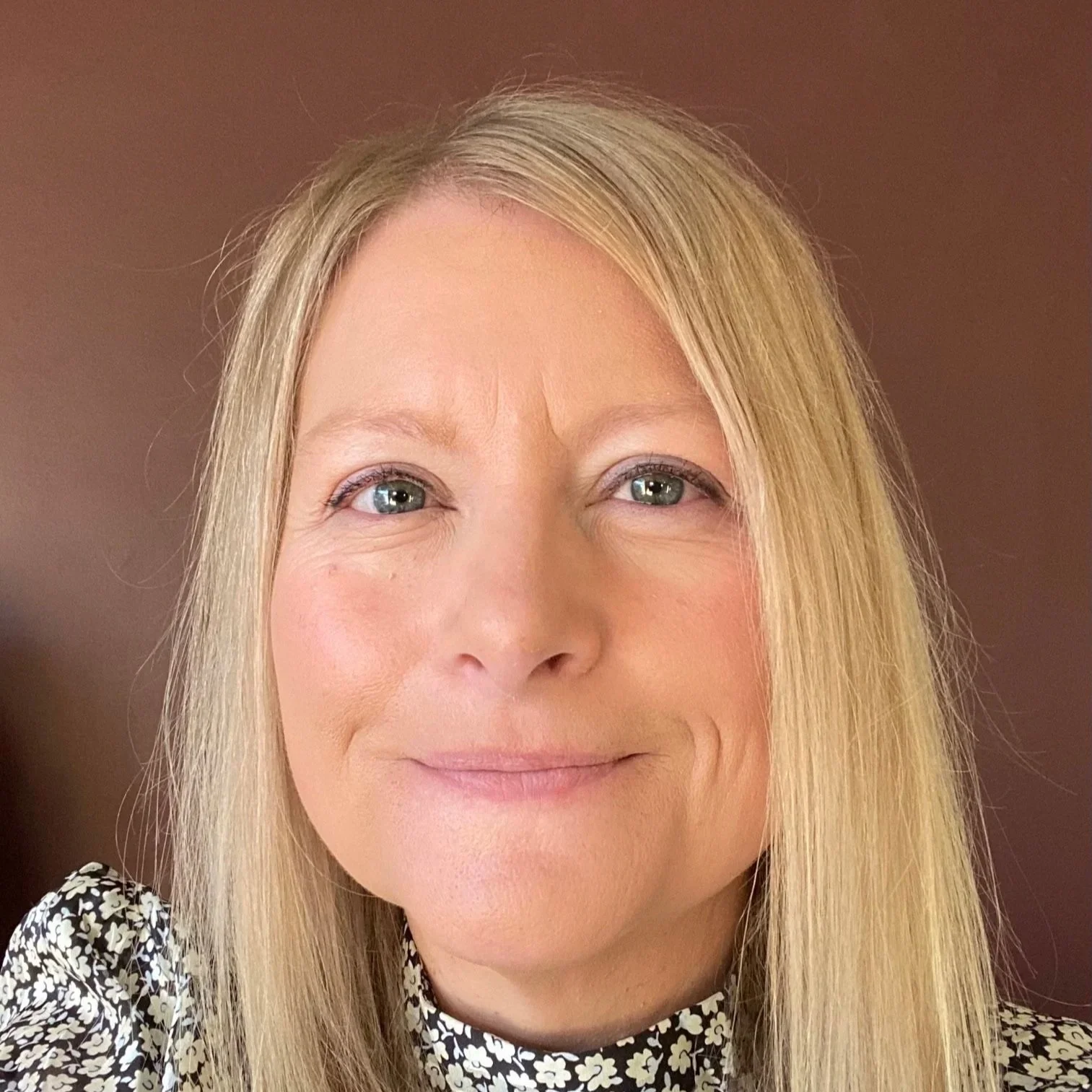
Kirsty Giles has worked in a recovery college in London since 2013 as a trainer and team manager. Kirsty trained and worked as an OT in New Zealand where recovery principles and competencies for mental health workers were core to her practice. This underpins all her work in the NHS and Imroc. She has been an Imroc consultant in the recovery college programme since 2020 and co-chairs the online RC Connect forum.
Emma Watson - Facilitator
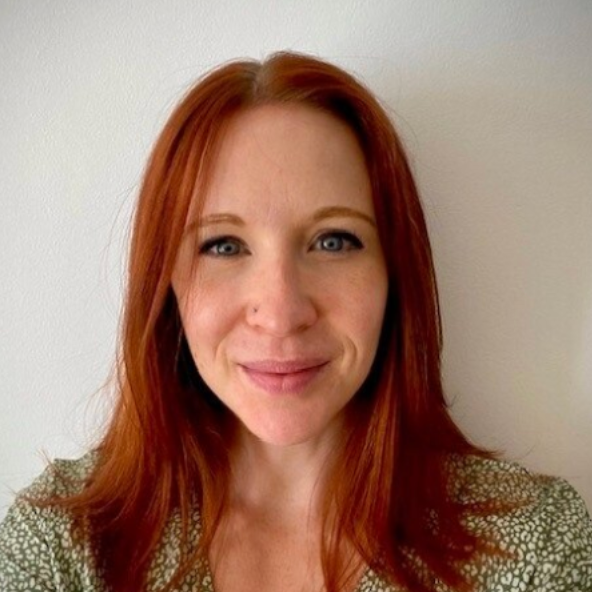
Emma Watson is the programme lead at Imroc for Research, Evaluation, Publications and Development, and, until recently, was the Peer Support Lead at Nottinghamshire Healthcare NHS Foundation Trust. As Peer Support Lead, she has led the strategic introduction of peer support workers into a range of clinical services, establishing training and supervision processes to support this development. Prior to this, Emma worked in a number of peer roles, including peer support worker, peer supervisor, peer trainer and peer researcher. Emma was among the first peer workers to be employed in Nottingham NHS Trust in 2010; an experience which transformed her own recovery, as well as her understanding of the power of lived experience.
As a programme lead at Imroc, Emma aspires to centre lived experience perspectives in research and publications, and offer accessible, creative ways for knowledge to be developed and shared. She is leading on the development of an MSc in Lived Experience Leadership as well as overseeing Imroc’s research and evaluation projects. Emma's commitment to advancing peer support is further demonstrated through her extensive research publications. She has authored numerous articles, as well as co-authoring the book "Peer Support in Mental Health," which provides an in-depth exploration of peer support concepts and practices. Her PhD explored peer support in the context of an NHS service, especially how this context changes or constrains peer support, and how individual peer workers resist this process.