
Book your place
To book a place please email events@imroc.org. This webinar is online on Zoom.
This webinar will introduce participants to the 40+ year journey of HF Care to create Canada’s only Culturally Competent Recovery College. The presenters will share how their lived experiences have shaped the way’s they’ve adapted the recovery college model to serve five distinct East and Southeast Asian communities (Cantonese, Cambodian, Korean, Mandarin and Vietnamese). If you want to learn how culturally informed co-production can transform identities, reshape organizational culture, and contribute to ongoing learning, this webinar is for you.
Date and Time:
Thursday 27 August 2026, 14:30 15:30 (UK Time)
What to Expect:
We will start with a brief introduction to HF Care, followed by:
The development of Canada’s only Culturally Competent Recovery College.
How the recovery college model was adapted across diverse cultures and generations.
The key organisational, practice, and identity shifts shaped through co-production.
A peer supporter’s lived experience of the Recovery College.
Successes, challenges, and lessons learned in delivering culturally competent courses.
Major milestones and achievements since the College’s launch.
HF Care’s rebranding journey and the co-production of shared stories.
Who is the webinar for?
Anyone interested in shaping their recovery college to be more inclusive and culturally competent
Mental health professionals and service leaders
Peer workers and lived experience practitioners
Educators and community development practitioners
Policymakers and commissioners
Individuals curious about innovative, co-produced approaches to learning and wellbeing
Benefits of attending:
Participants will:
Learn how the co-production and the recovery college models can be adapted to be more culturally competent
Connect with others working to reimagine mental health education and community learning
Take away ideas that can be adapted within their own organisations or communities
Speakers / Facilitators
Erica Wan, PhD, RP, RSW
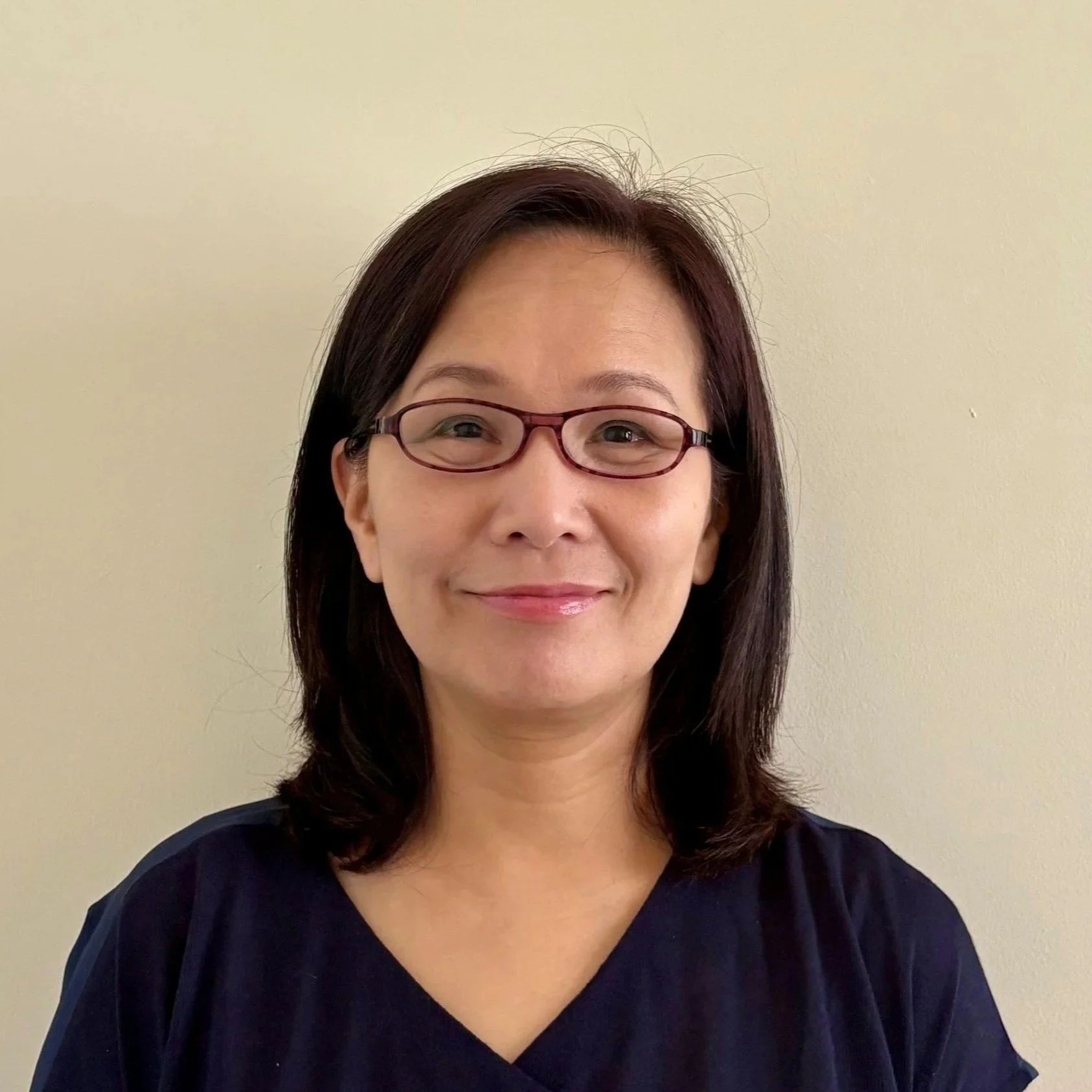
The Director of Recovery and Knowledge Mobilization at HF Care. She collaborates with her recovery college team staff and peer supporters to support people's recovery journeys and promote well-being through evidence-based practices and program development.
Moshe Sakal
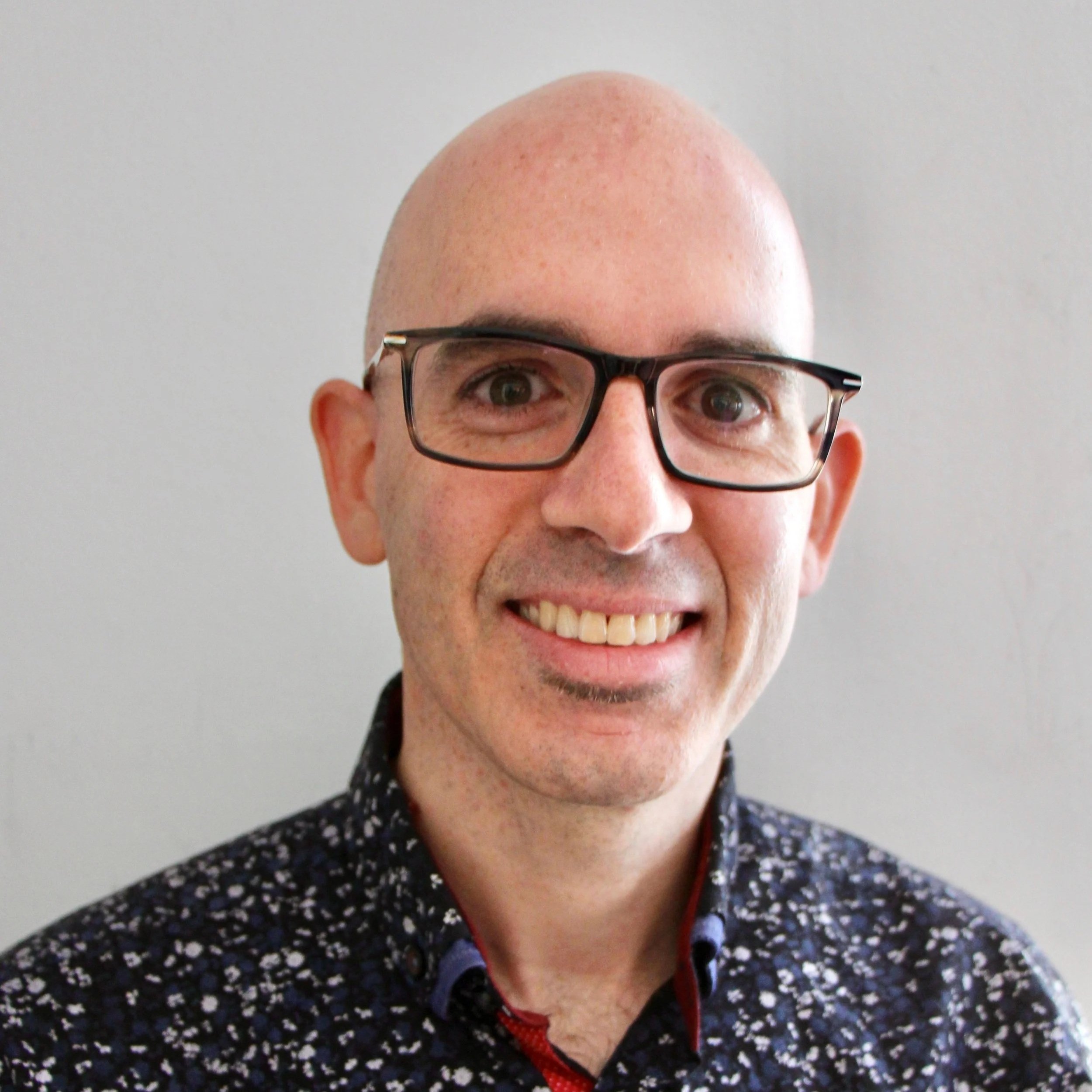
A Peer Coach at HF Care, where he works with a caring and dedicated team of staff and peer supporters to deliver peer support and recovery programs, bringing lived experience to the Recovery College. A career in peer support was never his plan until he experienced a mental health crisis with psychosis that shaped his outlook and life’s direction. Since joining HF Care in 2018, he has been passionate about learning from the communities it serves and helping to create spaces where peers feel welcomed, heard, and connected.
Adam Chen
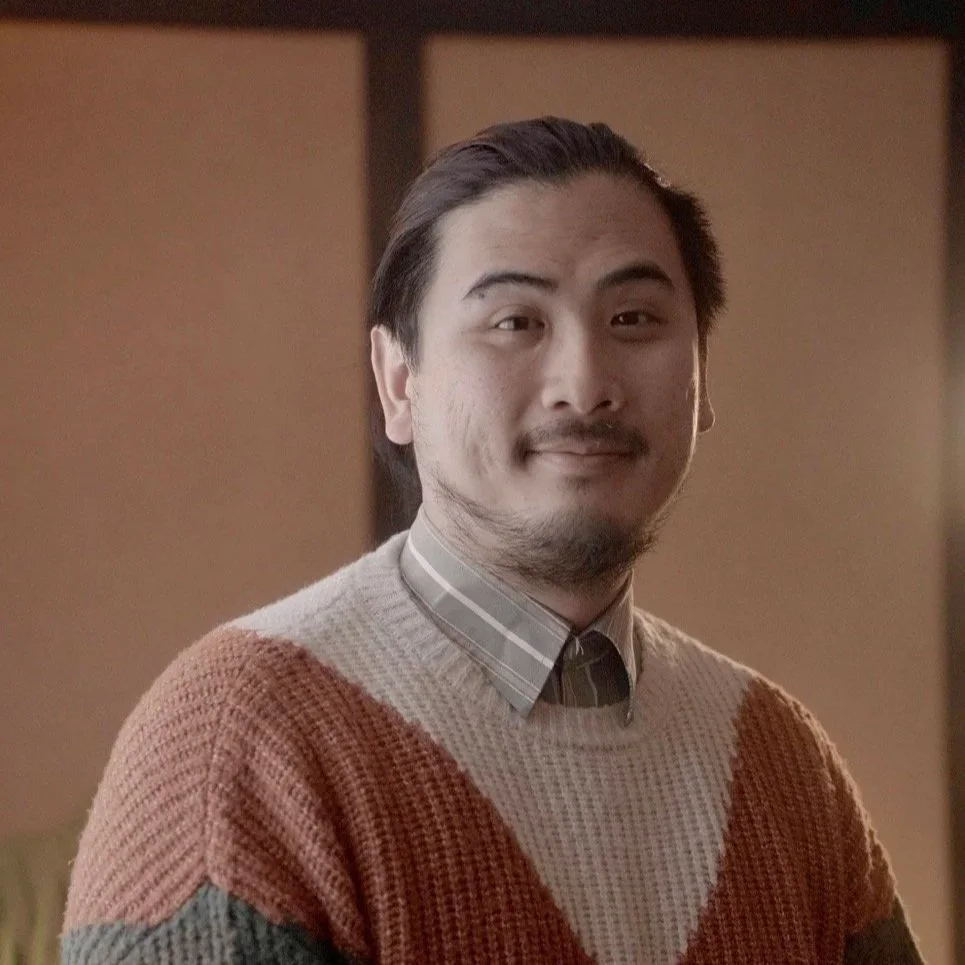
The Communications Officer at HF Care, where he believes that the way stories are created is just as important as the stories themselves. With a background in journalism and live storytelling, he works alongside staff, peer supporters, and community members to share stories that reflect the diverse experiences of the people the organization serves. His work focuses on co-producing articles, videos, campaigns, and other communications that amplify lived experience, challenge stigma, and help shape a more inclusive understanding of mental health and recovery. Through HF Care’s rebranding journey, he has helped embed co-production into the organization’s communications, ensuring that community voices play a central role in how its identity and impact are shared.
Kitty Wong
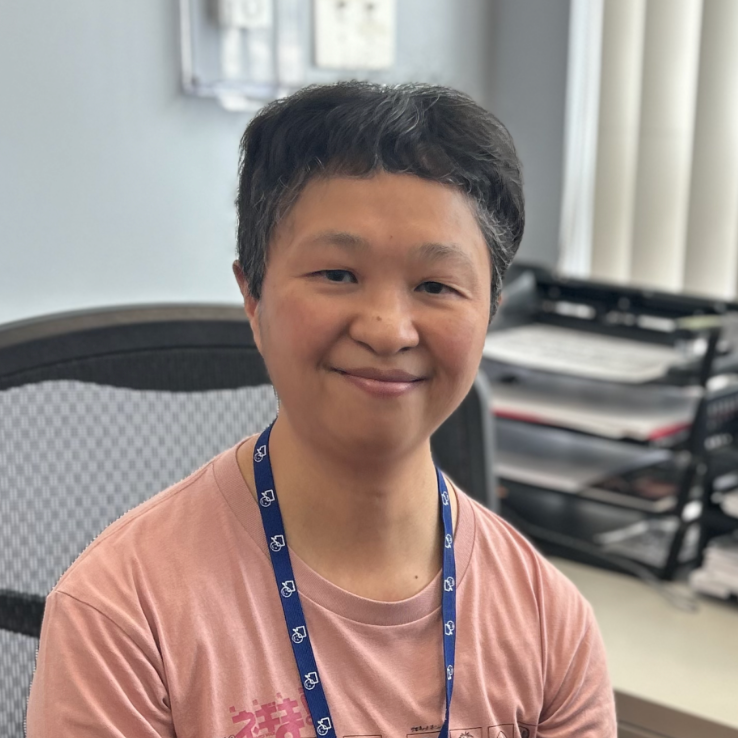
A peer supporter and volunteer at HF Care whose recovery journey reflects the power of culturally competent, co-produced mental health care. Born and raised in Macau, Kitty immigrated to Canada before experiencing schizophrenia, a journey that left her feeling isolated for many years. After connecting with HF Care’s Cantonese-speaking Recovery College and peer support community in 2018, she gradually rebuilt her confidence and sense of belonging. Today, she facilitates peer support groups, welcomes newcomers at the front desk, and shares her lived experience to help others recognize that recovery is possible. Through her work, Kitty continues to shape the Recovery College alongside staff and peers, ensuring it remains grounded in culture, community, and lived experience.
Sonia Lui
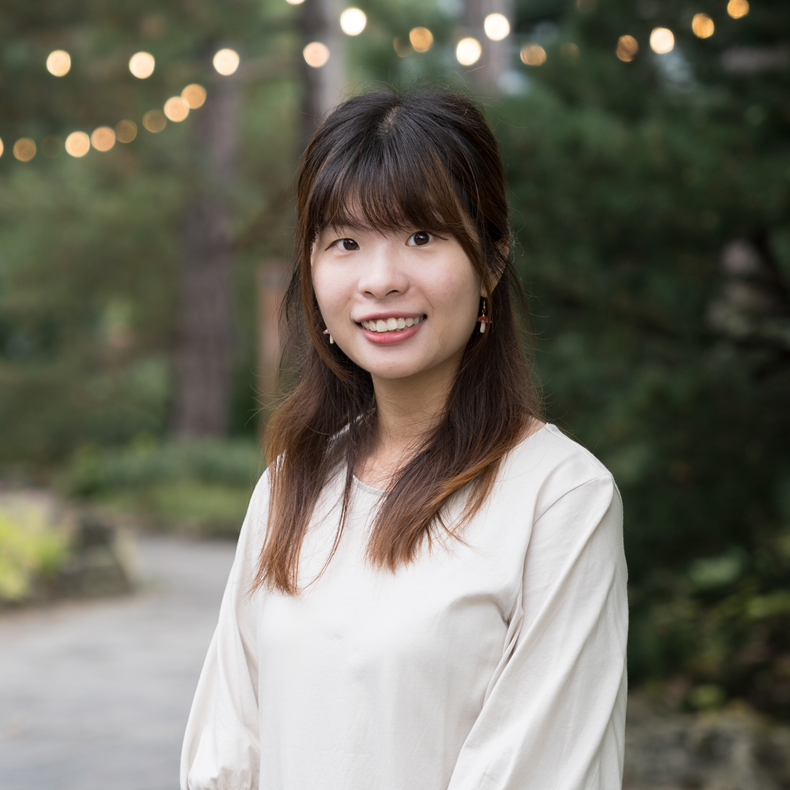
The Lead of the Recovery College and a Youth Worker at HF Care. She collaborates with peer supporters to co-design, develop, and facilitate different recovery-oriented programs guided by the CHIME framework. Through these programs, she promotes learning, personal growth, and well-being, empowering individuals on their recovery journeys while fostering meaningful connections within the community.